5 Essential Types of Roads That Improve Daily Travel
The most common types of roads play a major role in how smoothly people travel every day.
Every road we use plays a small but important role in how smoothly our day unfolds. Some roads help us reach nearby places, while others guide us across towns and cities. When these roads stay well-planned and well-maintained, daily travel becomes safer, faster, and easier to manage.
Each type of road has its own purpose, and together they form a network that supports everything from quick errands to long trips.
Strong road networks improve daily travel and regional development. According to the
World Bank, better transport infrastructure plays a key role in supporting economic activity.
Here are the most common types of roads and how they improve daily travel.
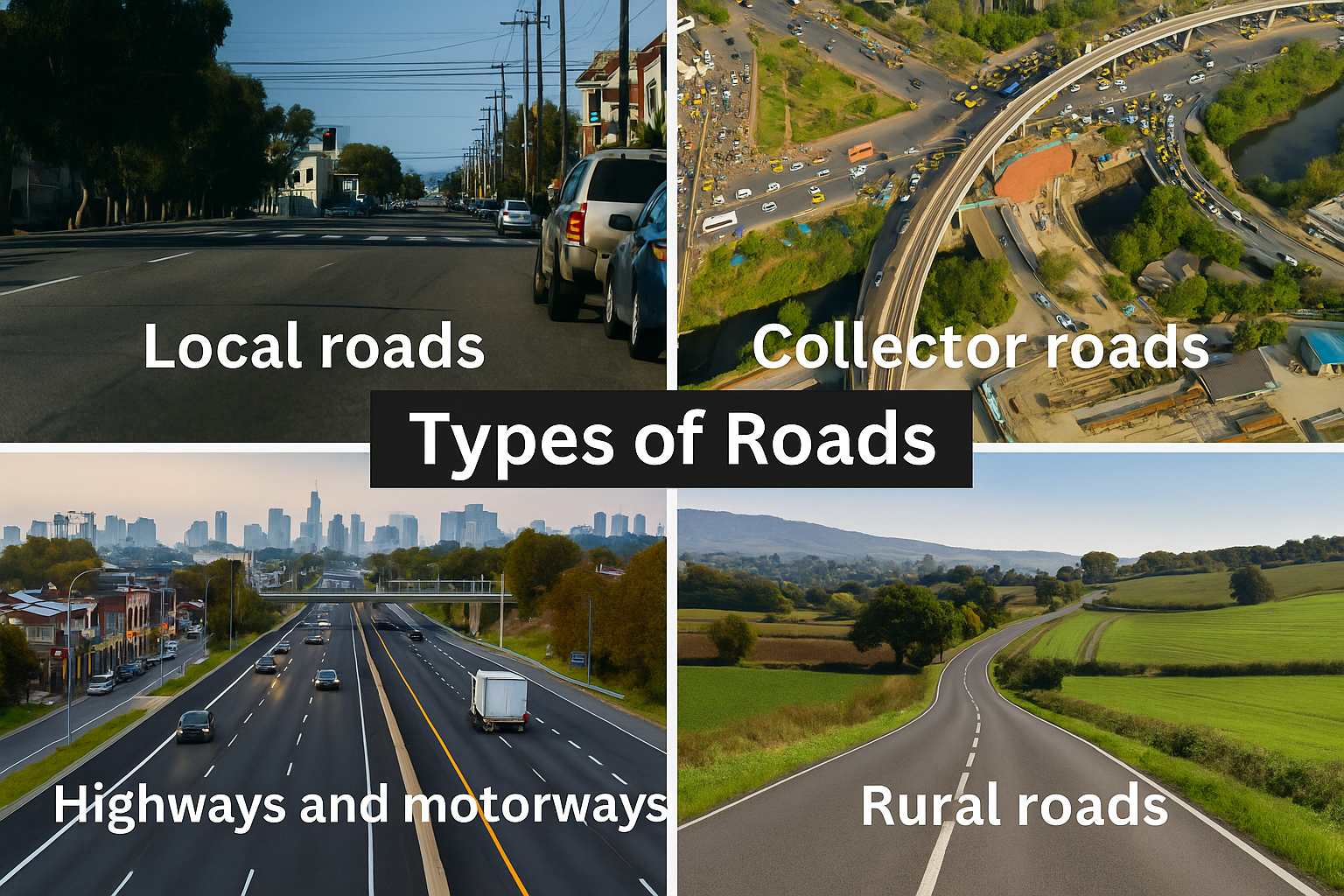
1. Types of Roads: Local Roads
Local roads are the ones we use most often. They take us to homes, schools, shops, and workplaces. These roads usually carry slower traffic and shorter trips, which makes them an important part of daily routines. When they stay in good condition, people reach their destinations with less stress.
Clear markings, smooth surfaces, and good lighting help drivers move safely, especially in neighbourhoods where families and pedestrians are present. Strong local roads keep daily movement simple and steady for everyone.
2. Collector roads
Collector roads connect local streets with larger routes. They gather traffic from neighbourhoods and guide drivers to busier areas like business districts or main city roads. These roads help people move more efficiently by reducing pressure on smaller streets.
When collector roads stay in good condition, drivers experience fewer slowdowns and reach their destinations with better consistency. Clear signs, smooth surfaces, and organised lanes keep the flow steady throughout the day. This makes daily travel easier for everyone who depends on these important connecting routes.
Collector roads also work better when the road surface is strong and well-maintained, as explained in our guide on https://www.wajidconstruction.com/durable-road-infrastructure/
Arterial roads carry heavier traffic and connect major parts of a city. They help people travel longer distances without using smaller neighbourhood streets. These roads often have multiple lanes, traffic signals, and clear signs that guide drivers safely. When arterial roads stay in good condition, they reduce delays and keep movement steady during busy hours.
3. Arterial roads
They also support emergency services and public transport by giving them reliable routes. With smooth surfaces and good organisation, arterial roads help cities stay active and easy to move through.
4. Highways and motorways
Highways and motorways are built for fast and direct travel. They connect cities, regions, and major economic areas, which makes them essential for long trips and the transport of goods. These roads support high speeds, so a smooth surface and clear markings make a big difference in keeping drivers safe. When highways stay well-maintained, they reduce hazards and help traffic move without sudden interruptions.
They also support tourism and business activity by making travel faster and more predictable. Strong highways keep large areas connected and help daily movement stay steady on a wider scale.
5. Rural roads
Rural roads connect villages, farms, and smaller communities with nearby towns. They help people reach schools, markets, and essential services, especially in areas where travel options are limited. When these roads stay in good condition, drivers avoid delays caused by rough surfaces, mud, or damaged sections.
Smooth rural roads also support local businesses by making it easier to move goods and supplies. By keeping these routes reliable, rural areas stay active, connected, and safer for everyday travel.
Conclusion
These types of roads help keep daily travel safe and consistent across different areas. Each type of road plays a different role in daily travel. Local roads support neighbourhood movement, collector roads guide traffic to larger routes, and arterial roads help cities function smoothly. Highways connect regions and make long trips faster, while rural roads keep smaller communities linked to essential services.
Understanding these types of roads shows how each one supports daily movement. When all these roads stay in good condition, people move more safely and with more confidence. Strong road networks make everyday travel easier for everyone.
Keep an eye out for our next update on how smart road planning improves everyday movement.