How Durable Road Infrastructure Supports Long-Term Economic Value
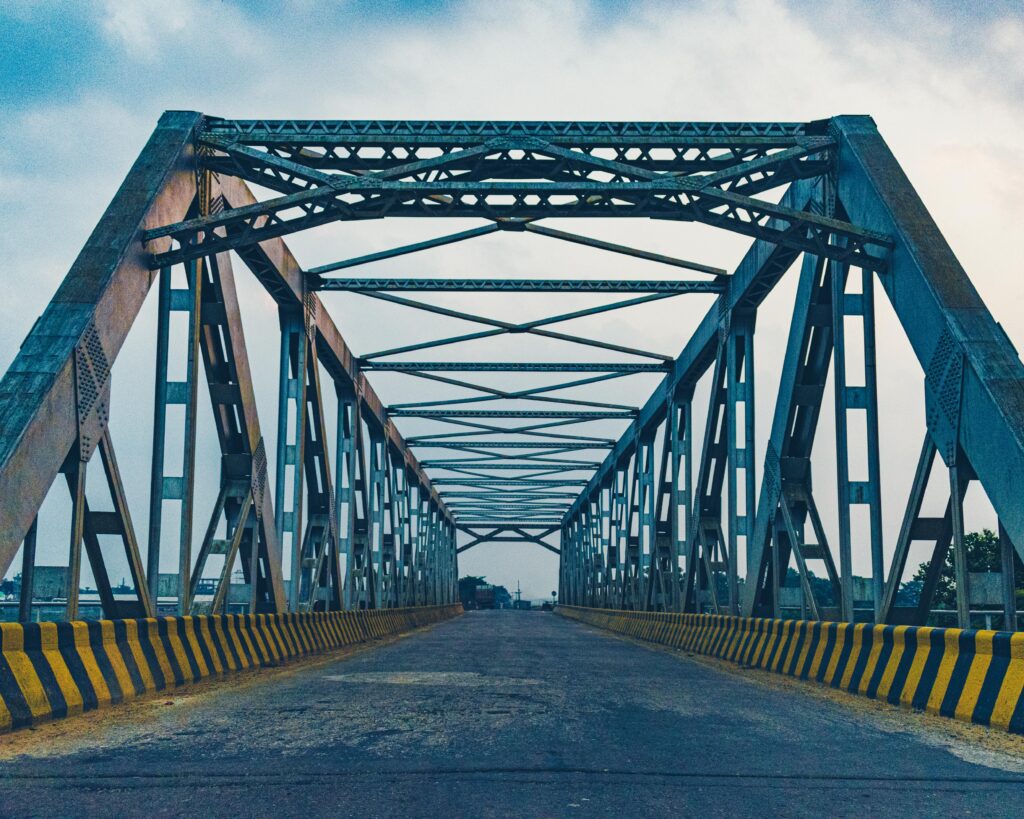
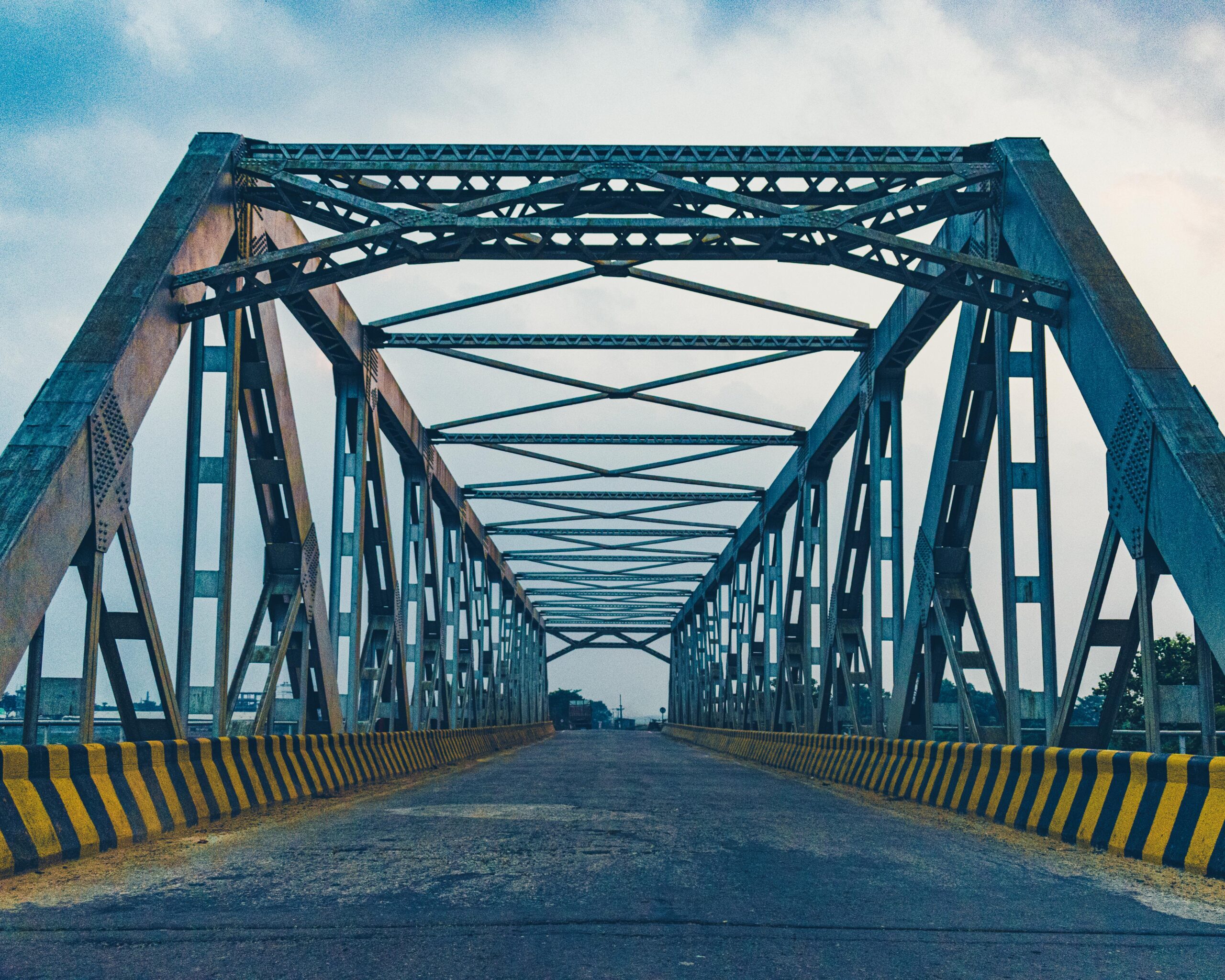
Durable road infrastructure supports daily movement and helps economies grow in a stable way. When roads stay reliable, people reach work on time, businesses operate without delays, and transport services run more smoothly.
Good road infrastructure reduces long-term costs and creates a safer, more organised environment for everyone. It also supports steady community development by giving people predictable routes they can depend on. Reliable road networks help regions manage growth better and allow workers to travel with more confidence.
According to the World Bank, durable road infrastructure strongly supports long-term growth and stability.
Here’s how durable road systems provide clear economic value and help regions grow.
How Durable Road Infrastructure Reduces Long-Term Maintenance Costs
Well-built roads stay strong for many years, even under heavy use. When the road surface and base layers are made with quality materials, they resist cracking, erosion, and early damage.
Durable roads help communities save money by:
- reducing frequent repairs
- minimising road closures
- protecting the road structure and extending its lifespan
These savings allow governments and companies to invest in new projects instead of constant repairs. Over time, this stability helps regions plan and manage budgets with more confidence.
Stronger Roads Improve Business Efficiency
Businesses depend on smooth and reliable roads to move products, deliver services, and manage daily operations. When roads stay in good condition, companies organise their schedules with more stability. Reliable roads also reduce fuel use, prevent delays during busy hours, and help teams work more predictably.
With fewer interruptions and smoother routes, businesses maintain better productivity and reduce wasted time. This creates a positive impact across entire industries, especially in areas where transport is a major part of daily work.
Durable Roads Support Supply Chains
Stable road networks keep supply chains organised and dependable. Products move from warehouses to stores, and materials reach factories on time. When a road is damaged, these processes slow down and create costly disruptions.
Durable infrastructure helps deliveries stay on track, reduces wear on vehicles, and supports quick access to key destinations like ports and distribution centres. A dependable supply chain also makes it easier for companies to respond to customer needs and seasonal demand.
Better Roads Improve Public Safety and Reduce Accident Costs
Stronger roads also increase safety by offering a smoother surface and better drainage. This reduces sudden braking, slipping, and unexpected vehicle damage. Improved visibility and clear road edges help drivers stay more aware and prevent accidents.
With safer roads, communities face fewer vehicle repairs, fewer injuries, and fewer delays caused by road incidents. Safer travel also supports consistent traffic flow, which helps drivers reach their destinations with less stress.
Durable Roads Attract Investment and Support Growth
When a region has strong road infrastructure, it becomes more appealing for new projects and long-term investment. Companies prefer areas where movement is stable, safe, and cost-effective.
Durable roads help regions grow by:
- creating better conditions for business development
- making travel easier for workers and customers
- keeping communities connected to major markets
This stability supports long-term economic progress and strengthens local competitiveness. Regions with strong infrastructure often develop faster because businesses can plan new operations with more certainty.
Conclusion
Durable road infrastructure provides clear economic value by lowering repair costs, supporting businesses, and improving daily travel. It protects supply chains, enhances safety, and helps regions grow with more confidence. When roads stay strong, everyone benefits from local communities to large companies. A stable road system builds trust, supports regular movement, and makes future development easier to manage, while giving workers, transport services, and businesses a smoother and more predictable environment for their daily needs.
To explore a related topic, you can also read our earlier post on https://www.wajidconstruction.com/infrastructure-economic-growth/