5 Common Road Infrastructure Problems in Pakistan

Roads in Pakistan face constant pressure. Traffic volumes continue to grow, axle loads are increasing, and weather conditions vary sharply across regions. Because of this, road infrastructure problems appear again and again, even on newly completed projects. These issues are rarely random. In most cases, they come from weak planning, design shortcuts, construction gaps, or delayed maintenance.
Understanding common road infrastructure problems helps explain why some roads fail within a few years, while others remain functional for much longer. It also shows where better decisions can prevent costly repairs later.
1. Weak Subgrade and Poor Soil Preparation
One of the most serious road infrastructure problems in Pakistan begins below the surface. Weak or poorly prepared subgrade soil leads to settlement, cracking, and uneven pavement.
In many projects, soil investigations are rushed or treated as a formality. Roads are built on ground that cannot properly support traffic loads. Once vehicles begin using the road, damage appears quickly. Even strong asphalt or concrete layers cannot compensate for a weak foundation.
Proper testing, stabilization, and compaction at this stage often determine whether a road performs well or fails early.
2. Inadequate Drainage Systems
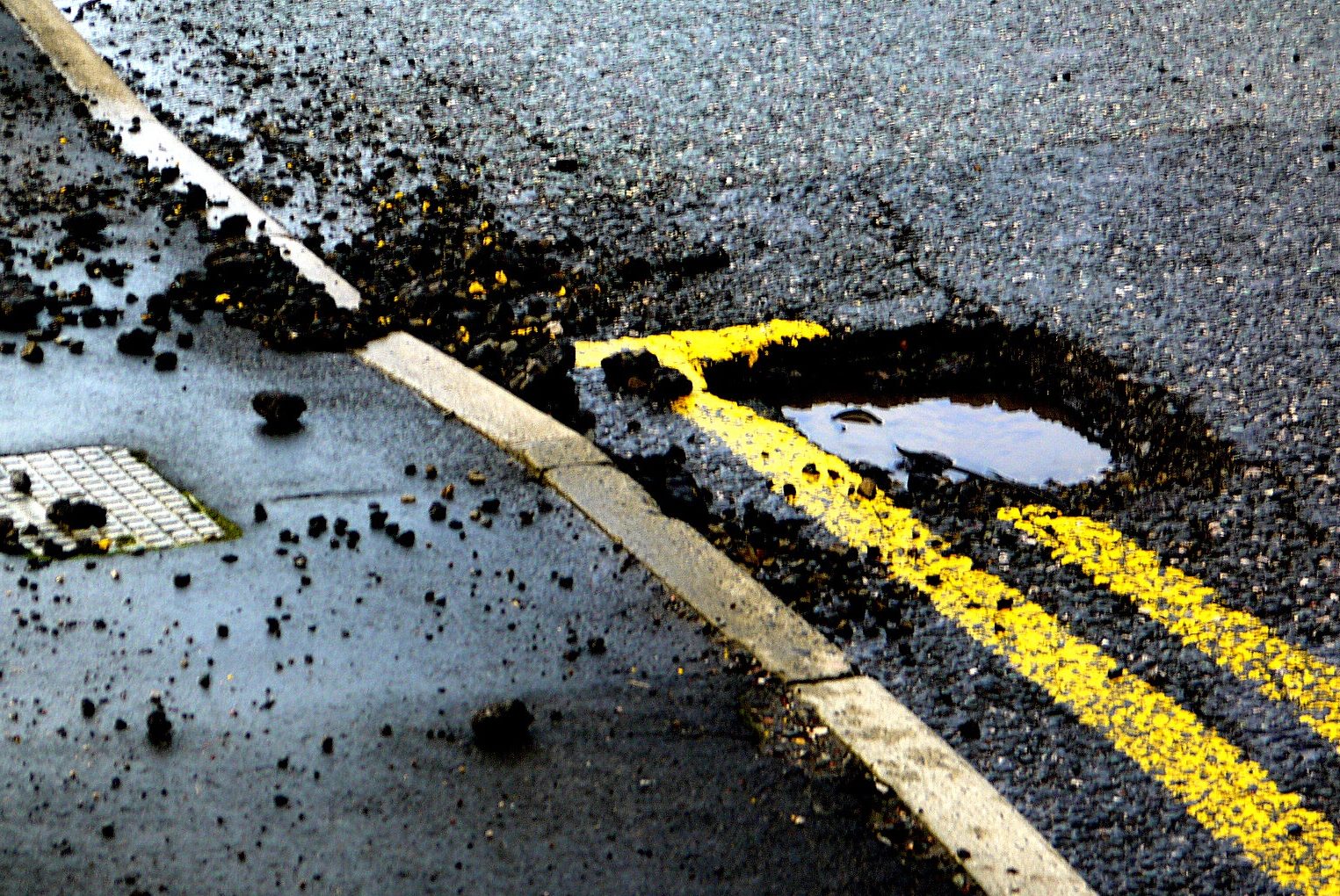
Poor drainage remains one of the most common road infrastructure problems nationwide. Water enters pavement layers, weakens the structure, and accelerates surface damage.
Typical drainage-related problems include:
- blocked or undersized side drains
- missing slopes and outlets
- standing water near the shoulders
When water is allowed to sit beneath the pavement, every layer is affected. According to the World Bank, improving drainage performance is essential for extending road life and reducing early failures in Pakistan.
3. Poor Material Quality
Material quality plays a direct role in road durability. Low-grade aggregates, incorrect bitumen grades, and inconsistent concrete mixes are frequent contributors to road infrastructure problems.
These shortcuts may reduce initial construction costs, but they almost always result in:
- early cracking
- rutting under traffic
- faster surface deterioration
As traffic increases, roads built with weak materials struggle to maintain shape and strength. Repairs become more frequent, and overall costs rise over time.
4. Weak Construction Control and Supervision
Even well-designed roads can fail if construction is poorly controlled. Inadequate supervision allows errors in compaction, layer thickness, and material handling to go unnoticed.
This type of road infrastructure problem often shows up as uneven surfaces, early distress, or disputes after completion. Once traffic starts using the road, fixing these issues becomes far more difficult and expensive.
Projects that follow defined procedures, such as those outlined in NHA road standards, usually perform better because quality checks happen throughout construction.
5. Lack of Planned Maintenance
Many roads are built without a clear maintenance strategy. Small defects are ignored until they grow into major failures.
Common maintenance-related road infrastructure problems include:
- delayed resurfacing
- untreated cracks
- damaged drainage left unrepaired
As explained in the road construction process in Pakistan, maintenance planning should begin during design. Waiting until visible damage appears almost always increases long-term cost.
Why These Road Infrastructure Problems Keep Repeating
Most road infrastructure problems in Pakistan are not caused by a lack of knowledge. They repeat because early decisions focus too heavily on short-term savings. Soil investigation, drainage, material quality, and maintenance planning are often reduced to cut costs.
Over time, these decisions create roads that need frequent repairs and struggle under traffic. Addressing problems early, during planning and construction, is far less expensive than fixing failures later.
Recognizing these patterns allows project teams to make better choices, manage budgets realistically, and improve road performance across the country.
If you want to read more articles on construction challenges and infrastructure planning, you can visit the main blog section.