

7 Proven Stages of the Road Construction Process in Pakistan
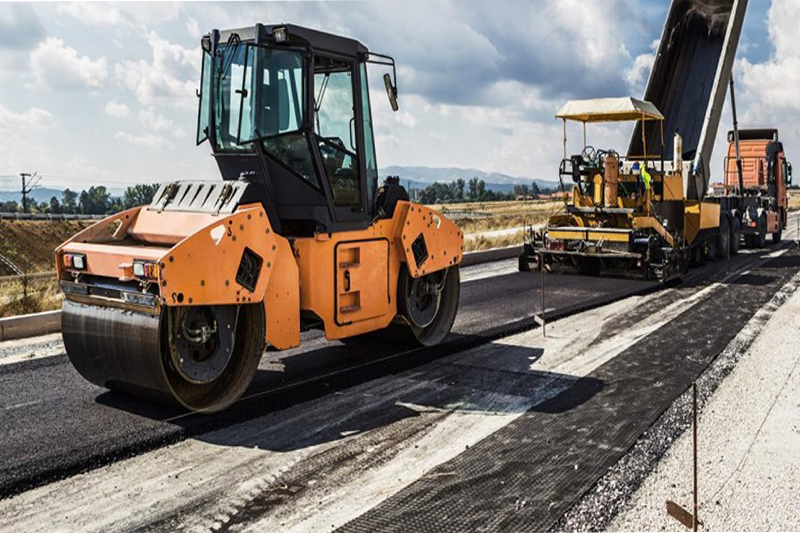
The road construction process in Pakistan follows a clear sequence of stages that turn planning into a finished road. When you see machines working and layers being added, the work may look simple. In reality, each stage depends on careful preparation and coordination long before construction begins on site.
Understanding the road construction process helps explain why some roads perform well for years while others develop problems soon after completion. Early decisions often shape cost, durability, and long-term performance.
If you have already read about the Highway Development Process in Pakistan, this article looks more closely at what happens specifically during road construction.
Stage 1: Project Planning and Need Assessment
Every road project starts with identifying a need. This could involve easing congestion, improving access to a growing area, or supporting trade and transport.
Planners study traffic volumes, vehicle types, and future demand. Weak planning at this stage can result in roads that become overloaded shortly after opening.
Stage 2: Feasibility Study and Route Selection
Once the project idea is approved, feasibility studies test whether it can be built under real conditions.
Engineers assess route options by reviewing soil conditions, drainage patterns, flood risks, and land ownership. Cost estimates and traffic forecasts are also prepared. Many construction issues originate here when site conditions are not fully understood.
Stage 3: Land Acquisition and Regulatory Clearances
After route selection, land acquisition and approvals begin. This stage often takes longer than expected.
Delays in compensation, ownership disputes, and relocation of utilities can slow progress. Problems left unresolved at this stage often interrupt construction later.
Stage 4: Detailed Design and Engineering
Once approvals are secured, engineers convert concepts into construction-ready plans.
This includes finalizing pavement layers, road width, drainage systems, intersections, and safety features. Strong engineering at this stage helps keep the road construction process smooth once work starts.
At this point, coordination between designers, contractors, and site teams becomes especially important. Construction methods, equipment requirements, and work sequencing are reviewed to avoid conflicts once work begins. When this coordination is weak, even well-designed projects can face delays during execution.
Stage 5: Site Preparation and Earthworks
Construction begins with clearing the site and shaping the land.
Earthworks involve excavation, embankment construction, and soil compaction. Poor compaction or drainage at this stage can lead to settlement, cracking, or early pavement failure.
Material availability, weather conditions, and local ground behavior also need close attention during early construction. Ignoring these factors can lead to changes on-site that slow progress. Aligning design intent with actual site conditions helps reduce disruptions and limits costly adjustments later in the project.
Stage 6: Pavement Construction and Structures
After the formation is complete, pavement layers are built.
This usually includes sub-base, base, and asphalt or concrete surface layers. Drainage structures, culverts, and small bridges are also constructed. Quality control is critical, as material issues at this stage can shorten road life.
Stage 7: Finishing Works, Testing, and Opening
The final stage of the road construction process includes road markings, signage, shoulders, safety barriers, and lighting where required.
Inspections and testing are carried out before opening to traffic. Maintenance planning also begins here, as long-term performance depends on proper upkeep.
For a broader technical context on construction and maintenance standards, you can refer to the World Bank transport sector overview for Pakistan.
Final Thoughts
The road construction process depends on every stage being completed correctly. Problems cannot be fixed easily once construction is underway. Early planning, sound design, and careful execution shape how long a road lasts and how well it performs.
For more articles on roads and infrastructure development, you can visit the Wajid Construction blog.