
Materials in Road Construction Used Across Pakistan: Reliable Material Types
When you see a road project in Pakistan, you might notice the machinery and workers first. What often gets missed is how important materials in road construction are to the life of the road. Even with good planning and skilled labor, poor or unsuitable materials can cause roads to wear out early. This also increases maintenance costs.
Road projects across Pakistan rely on a mix of local and engineered materials, each with a specific role. Every layer supports the next one, and a problem in any layer can affect the entire structure. These materials make more sense when viewed as part of the overall project timeline. This article builds on the process explained in the Highway Development Process in Pakistan.
Subgrade Soil
Every road begins with the soil underneath it. The subgrade is the natural ground that supports all other layers. In Pakistan, subgrade conditions vary widely, from soft clay in flood-prone areas to sandy or rocky soil in dry regions.
Before construction starts, the soil is tested for strength and moisture behavior. If the subgrade is weak, it is improved through compaction or stabilization. In road construction, everything starts with the subgrade. If it is weak or ignored, surface damage will appear early, no matter how strong the layers above it are.
Granular Subbase Materials
The subbase is placed directly above the subgrade and provides structural support. In Pakistan, it is commonly made from crushed stone, gravel, or well-graded sand.
These materials in road construction help spread traffic loads and allow water to drain away from the pavement. Poor-quality subbase material often results in uneven surfaces and premature road failure.
Base Course Aggregates
The base course is one of the most critical layers in the road structure. It uses strong, carefully graded aggregates designed to carry heavy traffic loads.
In Pakistan, base course materials are sourced from quarries and must meet defined strength and durability standards. Proper compaction is essential. Weak base course layers are a frequent cause of cracking, rutting, and deformation under traffic, even when other materials in road construction are sound.
Asphalt (Bituminous Materials)
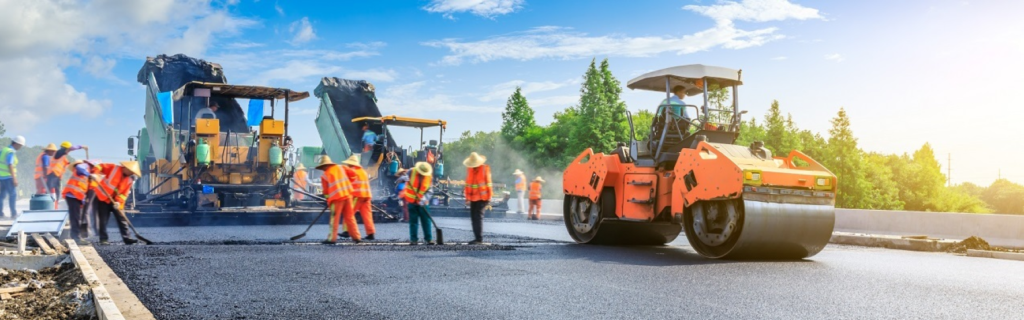
Asphalt is the most common surface material used in Pakistan. It is produced by mixing aggregates with bitumen, which acts as the binder.
Asphalt roads are popular because they are faster to construct and easier to repair. Performance depends heavily on mix quality, temperature control, and laying methods. In hot climates, poor asphalt can soften and lose shape. This shows how sensitive materials in road construction are to local conditions.
Concrete
Concrete is used less often than asphalt. It is common in high-traffic areas such as:
- intersections
- industrial roads
- bus corridors
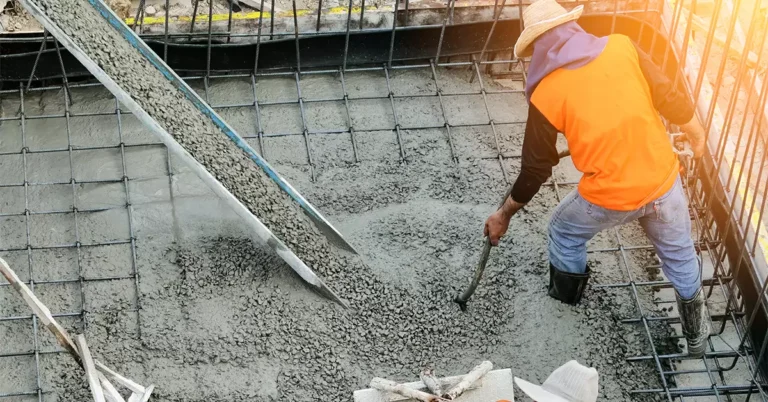
It is made from cement, aggregates, water, and additives. Concrete roads handle heavy loads well and last longer, but they cost more upfront and take longer to complete. In Pakistan, concrete is often chosen for long-term durability. Initial cost is less important in these cases. This makes concrete a strategic choice in materials in road construction.
Bitumen and Binders
Bitumen plays a key role in asphalt performance. Its grade affects flexibility, crack resistance, and behavior under heat.
Different bitumen grades are chosen based on climate and traffic conditions. Using the wrong grade often causes early surface failure. This shows why choosing the right binder is critical in road construction.
Steel and Reinforcement Materials
Steel is mainly used in concrete pavements, culverts, bridges, and retaining structures. Reinforcement bars help concrete resist tensile forces and control cracking.
Poor-quality steel can weaken road structures. Incorrect placement causes problems as well, even when the concrete itself seems strong. This shows how supporting materials in road construction are just as important as surface layers.
Drainage Materials
Drainage materials are often overlooked, but they play a major role in road performance. Common drainage components include:
- pipes
- geotextiles
- crushed stone drainage layers
Without proper drainage, water builds up under the pavement and damages every layer. According to the World Bank, Pakistan is working to improve transport infrastructure performance. Addressing drainage issues is one of the steps being taken to reduce early road failures.
Why Material Selection Matters
Each road layer depends on the quality of the layers above and below it. Using the right materials in road construction reduces maintenance. It also helps roads last longer. Cheaper materials may lower initial costs, but they almost always increase long-term expenses.
Understanding materials in road construction helps explain road performance. Some roads last for decades, while others deteriorate quickly. Material quality is not a minor detail. It is one of the main reasons road projects succeed or fail.
If you want to read more construction and infrastructure articles, you can visit the main blog section.