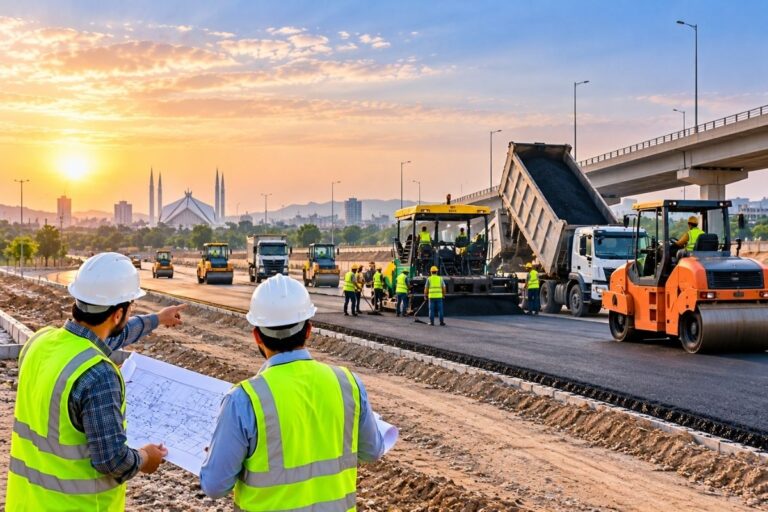
Environmental Impact Assessments (EIA): Why They Matter for Infrastructure Projects in Pakistan
Large-scale infrastructure projects have the power to transform communities, improve transportation, strengthen public services, and support economic growth. However, without careful planning, these developments can also affect natural ecosystems, water resources, air quality, wildlife habitats, and nearby communities. This is why an environmental impact assessment has become an essential part of responsible infrastructure planning in Pakistan.
Whether the project involves highways, bridges, industrial facilities, commercial developments, dams, housing schemes, or public utilities, an environmental impact assessment helps identify potential environmental risks before construction begins. Engineers, developers, government agencies, and investors use these assessments to make informed decisions that balance development with environmental protection.
As Pakistan continues investing in large infrastructure projects, environmental sustainability is becoming increasingly important. Modern construction is no longer focused solely on completing projects quickly—it also aims to minimise environmental damage while supporting long-term economic and social development.
Quick Insight: Conducting a professional environmental impact assessment early in the planning stage helps reduce environmental risks, improves regulatory compliance, and supports more sustainable infrastructure development.
What Is an Environmental Impact Assessment?
An environmental impact assessment (EIA) is a systematic process used to evaluate the potential environmental effects of a proposed development before construction begins. It examines how a project may affect land, water, air quality, biodiversity, nearby communities, natural resources, and public health.
The primary purpose of an EIA is not to prevent development but to ensure projects are designed and managed responsibly. By identifying potential environmental issues early, project teams can implement practical measures to reduce or eliminate negative impacts.
Many public and private infrastructure projects require environmental assessments before approvals are granted, making the EIA process an important part of project planning.
Why Environmental Impact Assessments Matter
Construction activities can significantly influence surrounding environments. Excavation, earthworks, heavy machinery, transportation, and material storage may affect ecosystems if proper controls are not implemented.
A comprehensive environmental impact assessment helps project owners understand these risks and develop mitigation strategies before construction starts. This proactive approach reduces environmental damage while improving project efficiency and public confidence.
Objectives of an Environmental Impact Assessment
Every EIA aims to achieve several important objectives that contribute to responsible infrastructure development.
- Identify potential environmental impacts.
- Protect natural ecosystems and biodiversity.
- Support informed decision-making.
- Ensure compliance with environmental regulations.
- Reduce long-term environmental risks.
- Promote sustainable development.
- Improve community engagement and transparency.
Key Stages of the EIA Process
Project Screening
Screening determines whether a project requires a full environmental impact assessment based on its size, location, and potential environmental effects.
Scoping
During scoping, specialists identify the environmental issues that require detailed investigation, helping focus resources on the most significant impacts.
Baseline Environmental Studies
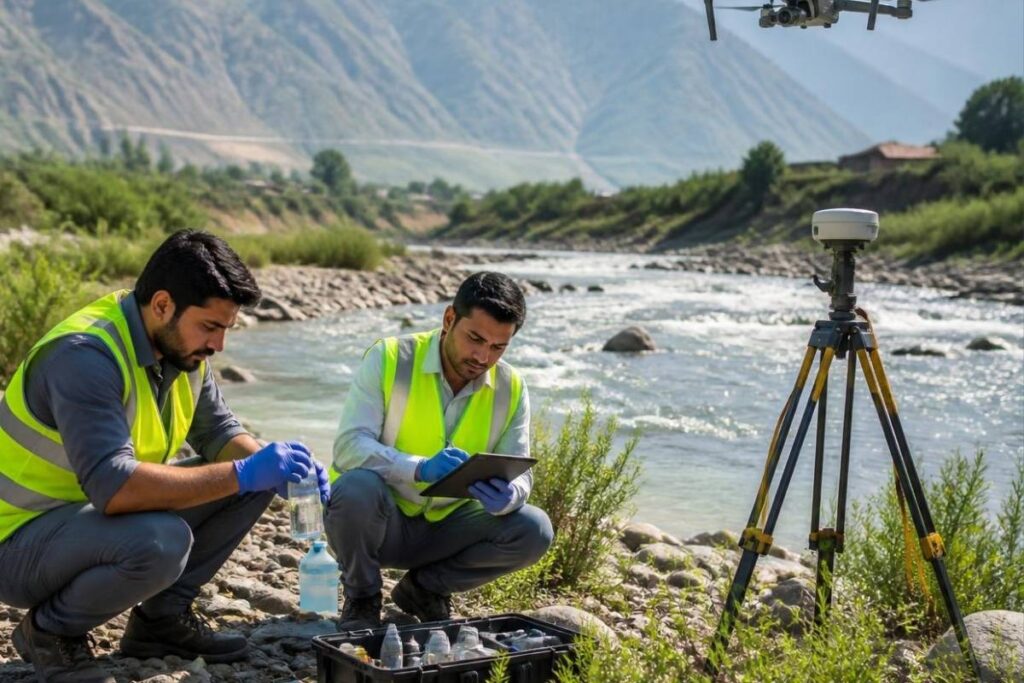
Baseline studies document existing environmental conditions before construction begins. These may include air quality, water quality, soil characteristics, vegetation, wildlife, and surrounding land use.
Impact Assessment
Engineers and environmental specialists evaluate how construction and future operations may affect the surrounding environment and nearby communities.
Mitigation Planning
Where impacts are identified, practical mitigation measures are developed to minimise environmental harm through improved design, construction practices, and operational management.
Environmental Factors Commonly Evaluated
A professional environmental impact assessment considers a wide range of environmental and social factors before recommending project approval.
- Air quality.
- Water resources.
- Groundwater protection.
- Noise and vibration.
- Waste management.
- Soil erosion.
- Biodiversity and wildlife.
- Community health and safety.
- Traffic and transportation impacts.
Benefits for Infrastructure Projects
Improved Project Planning
Early identification of environmental challenges allows project teams to modify designs before construction begins, reducing costly changes later.
Reduced Regulatory Risk
Proper environmental planning helps projects comply with national regulations, reducing delays associated with permitting and approvals.
Better Community Relationships
Public consultation and environmental transparency help build trust with local communities affected by infrastructure development.
Long-Term Sustainability
Infrastructure designed with environmental protection in mind often performs better over its entire lifecycle while reducing future environmental liabilities.
Supporting Responsible Infrastructure Development
Modern infrastructure requires both engineering excellence and responsible environmental planning. Explore how professional construction projects are delivered by visiting the Wajid Construction Projects page. You can also learn how technology supports sustainable development in our guide to smart infrastructure. For official environmental information in Pakistan, visit the Ministry of Climate Change & Environmental Coordination.
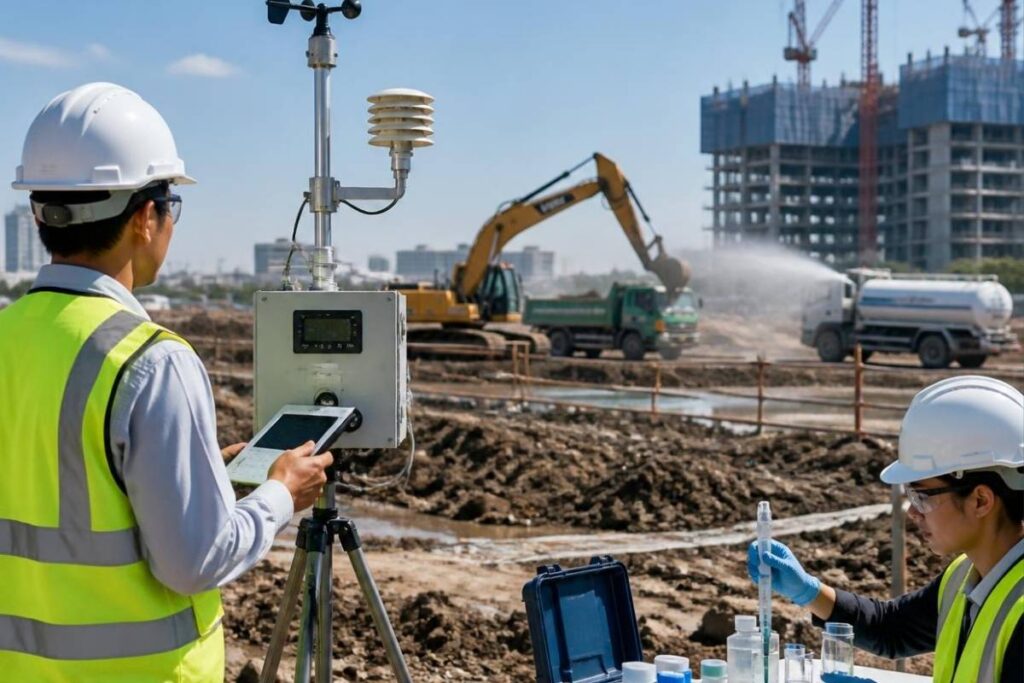
Environmental Challenges Facing Infrastructure Projects
Every infrastructure project interacts with the surrounding environment in different ways. Roads, bridges, commercial developments, industrial facilities, dams, and utility networks all have the potential to influence natural resources if environmental risks are not properly managed. A comprehensive environmental impact assessment helps project teams identify these challenges early and implement practical solutions before construction begins.
Air Pollution
Construction activities often generate dust and emissions from heavy machinery, transportation, and material handling. Effective dust suppression, equipment maintenance, and proper site management help minimise impacts on nearby communities.
Water Resource Protection
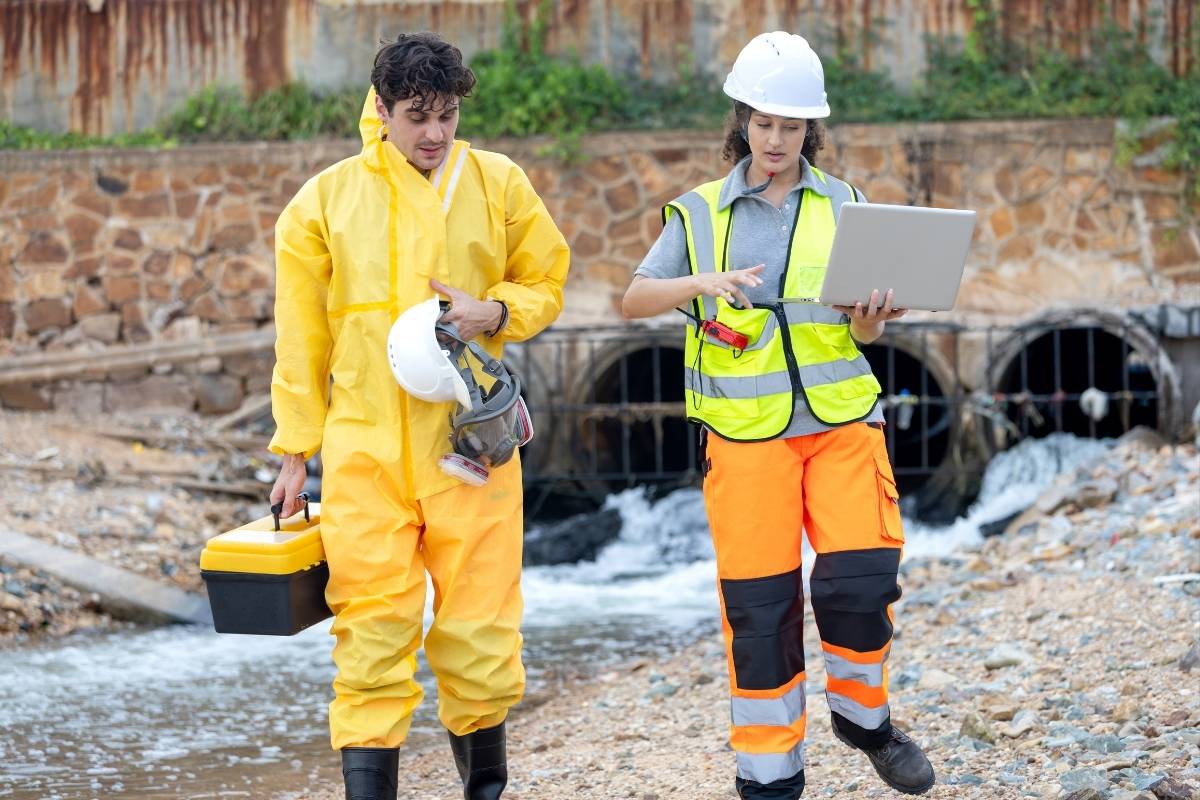
Construction sites must protect rivers, streams, groundwater, and drainage systems from sediment, chemicals, and construction waste. Proper erosion control and drainage planning reduce the risk of water contamination.
Noise and Vibration
Heavy equipment, excavation, and transportation activities can create noise and vibration that affect nearby residents and businesses. Scheduling work appropriately and using modern equipment can help minimise disturbances.
Habitat Protection
Infrastructure projects should consider nearby vegetation, wildlife habitats, and environmentally sensitive areas. Careful planning helps reduce unnecessary disturbance to local ecosystems.
Mitigation Measures Used in Environmental Impact Assessments
Once potential environmental impacts have been identified, project teams develop mitigation measures to minimise or eliminate those risks throughout the construction and operational phases.
- Dust control using water spraying.
- Proper waste collection and disposal.
- Stormwater management systems.
- Tree protection and replanting programmes.
- Noise reduction barriers where appropriate.
- Safe storage of fuels and chemicals.
- Continuous environmental monitoring during construction.
The Role of Public Consultation
Community involvement is an important component of many environmental impact assessments. Local residents, businesses, and other stakeholders may provide valuable information about environmental concerns, local conditions, and community priorities.
Open communication throughout the planning process improves transparency, strengthens public confidence, and helps identify practical solutions that benefit both the project and surrounding communities.
Monitoring Environmental Performance
An environmental impact assessment does not end when construction begins. Ongoing environmental monitoring ensures mitigation measures remain effective and that project activities continue to comply with environmental regulations.
Regular inspections, environmental audits, water testing, air quality monitoring, and site reviews help identify issues early so corrective action can be taken before problems become more significant.
The Economic Benefits of Environmental Planning
Some developers view environmental assessments as an additional project expense. In reality, they often reduce overall project costs by preventing delays, regulatory issues, legal disputes, environmental damage, and expensive redesigns.
Infrastructure projects that incorporate environmental planning from the beginning are generally completed more efficiently and are better positioned to achieve long-term operational success.
Sustainability Tip: Environmental protection and infrastructure development work best together. Early planning, responsible construction practices, and continuous monitoring create projects that serve both people and the environment for decades.
Building Sustainable Infrastructure for the Future
As Pakistan continues investing in transportation networks, commercial developments, industrial zones, and public infrastructure, environmental responsibility will remain an essential part of successful project delivery.
Developers who integrate environmental planning into every stage of project development are better equipped to deliver infrastructure that supports economic growth while protecting natural resources for future generations.
Final Thoughts
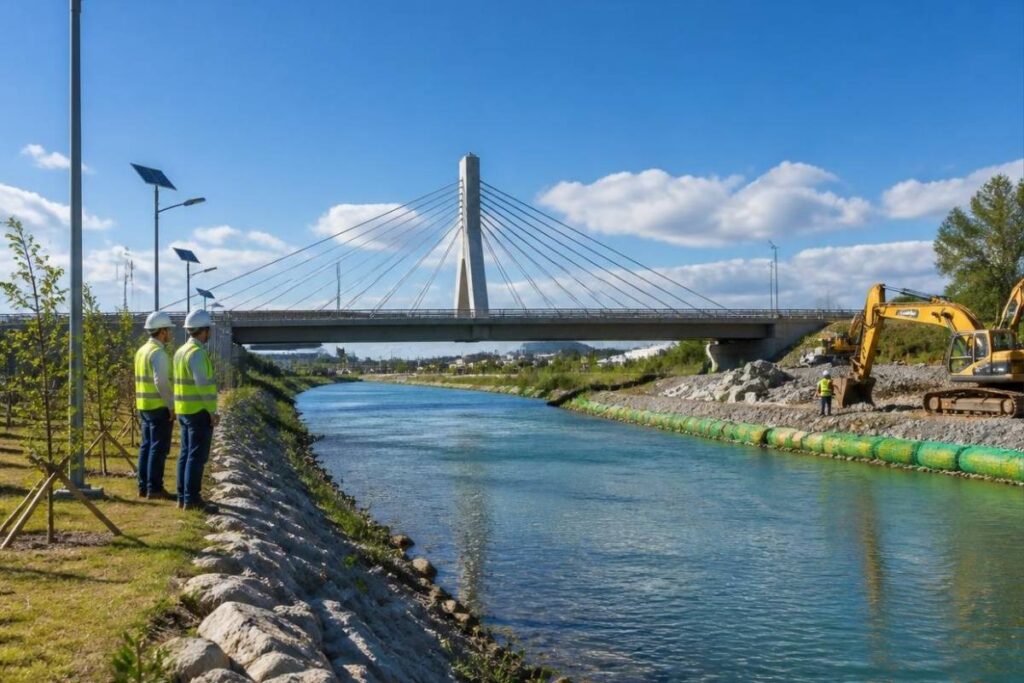
Environmental impact assessment plays a critical role in responsible infrastructure development. By identifying environmental risks before construction begins, project teams can make informed decisions that improve sustainability, reduce regulatory challenges, and protect surrounding communities.
Whether constructing highways, bridges, commercial buildings, industrial facilities, or public utilities, investing in environmental planning helps create infrastructure that is safe, resilient, and environmentally responsible.
As the construction industry continues to evolve, environmental impact assessments will remain one of the most valuable tools for balancing development with environmental stewardship.
Need Professional Construction Support? If you’re planning a residential, commercial, or infrastructure project, our experienced team can help deliver quality construction solutions that prioritise both engineering excellence and responsible project management. Contact Wajid Construction to discuss your project requirements.
For additional guidance on global environmental sustainability and responsible development practices, visit the United Nations Environment Programme (UNEP).
This article is intended for developers, contractors, engineers, investors, government agencies, environmental consultants, and project managers seeking a better understanding of environmental impact assessments and their importance in infrastructure projects.