How Utility Infrastructure Supports Sustainable Urban Development in Pakistan
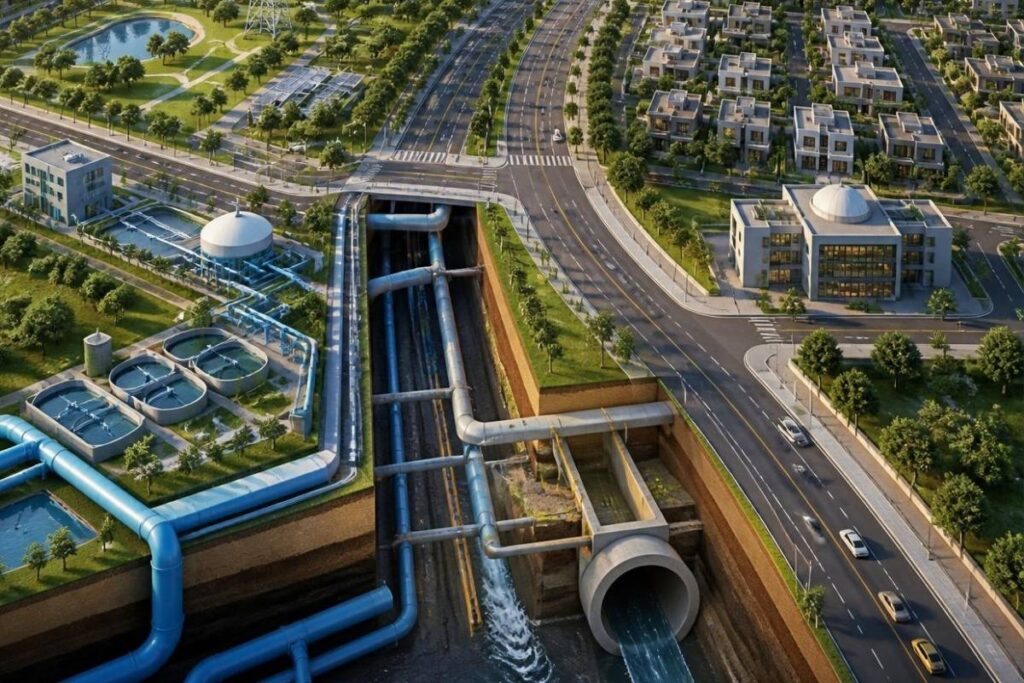
Modern cities cannot function efficiently without reliable utility infrastructure. Water supply systems, sewerage networks, electricity distribution, stormwater drainage, gas pipelines, and communication networks form the backbone of every successful urban community. These essential services support residential neighbourhoods, commercial developments, industrial facilities, healthcare institutions, educational campuses, and transportation systems throughout Pakistan.
As urban populations continue to grow, the demand for dependable utility infrastructure has increased significantly. Sustainable urban development requires infrastructure systems that are efficient, resilient, environmentally responsible, and capable of supporting future population growth while maintaining high standards of public health and safety.
Careful planning, quality engineering, and professional construction practices ensure that utility infrastructure continues to provide reliable services for decades while supporting economic development and improving quality of life.
Quick Insight: Well-designed utility infrastructure improves public health, supports economic growth, protects the environment, and creates stronger, more sustainable communities.
What Is Utility Infrastructure?
Utility infrastructure refers to the essential physical systems that deliver public services required for everyday life and economic activity. These systems are carefully designed to transport water, electricity, wastewater, gas, telecommunications, and stormwater safely and efficiently.
Without properly planned utility infrastructure, cities face increased risks of flooding, water shortages, power outages, environmental pollution, traffic disruptions, and reduced economic productivity.
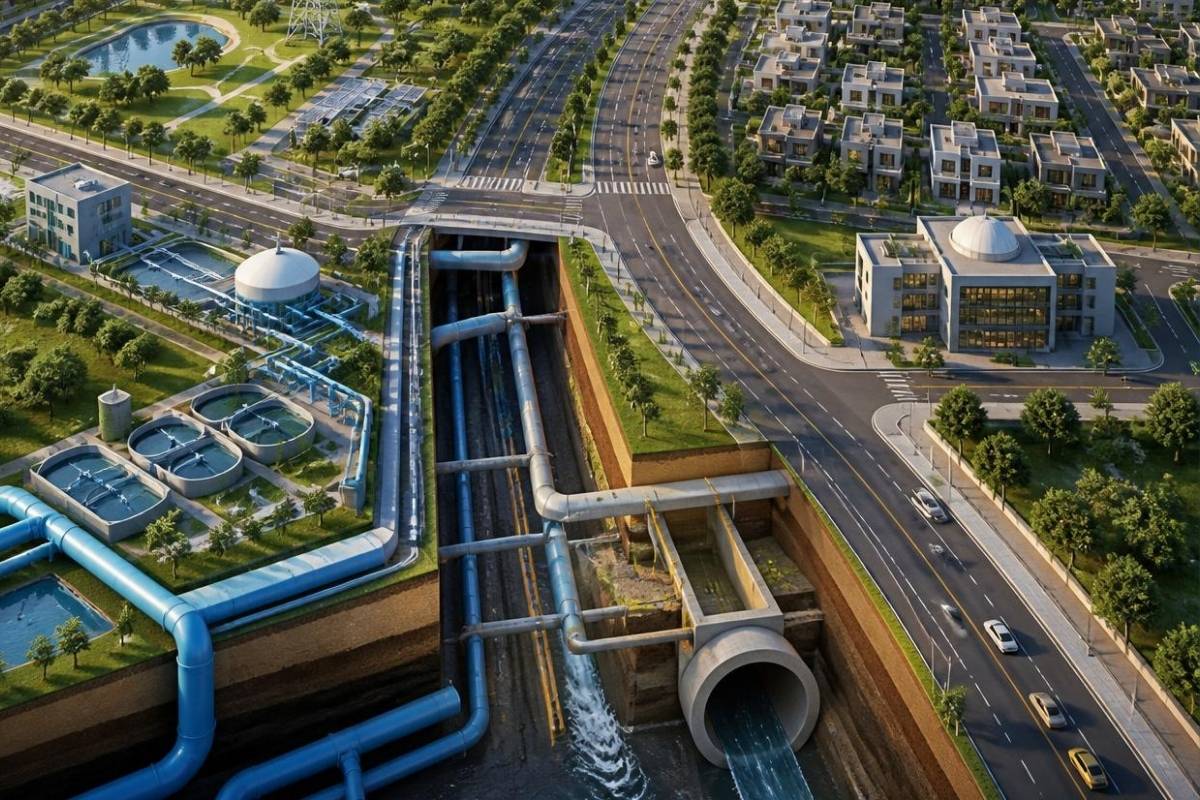
Modern infrastructure planning integrates multiple utility systems to ensure they operate efficiently while supporting future urban expansion.
Major Components of Utility Infrastructure
Water Supply Systems
Reliable water infrastructure includes reservoirs, treatment plants, pumping stations, transmission pipelines, storage facilities, and distribution networks that provide safe drinking water to homes, businesses, and industries.
Sewerage Networks
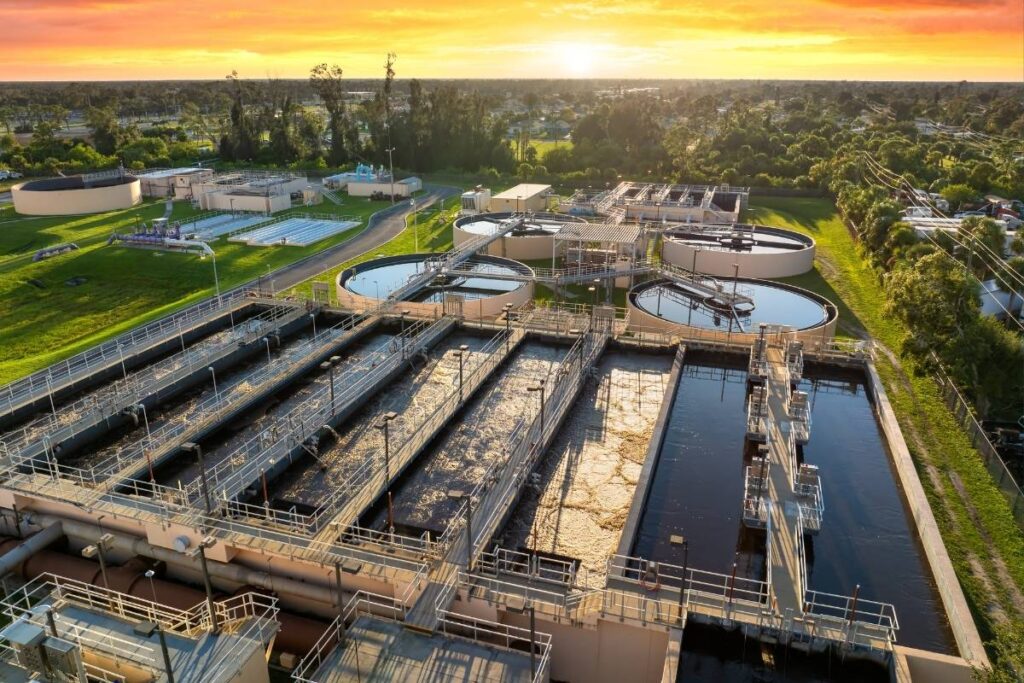
Sewerage systems safely collect, transport, and treat wastewater, helping protect public health while reducing environmental contamination.
Electricity Distribution
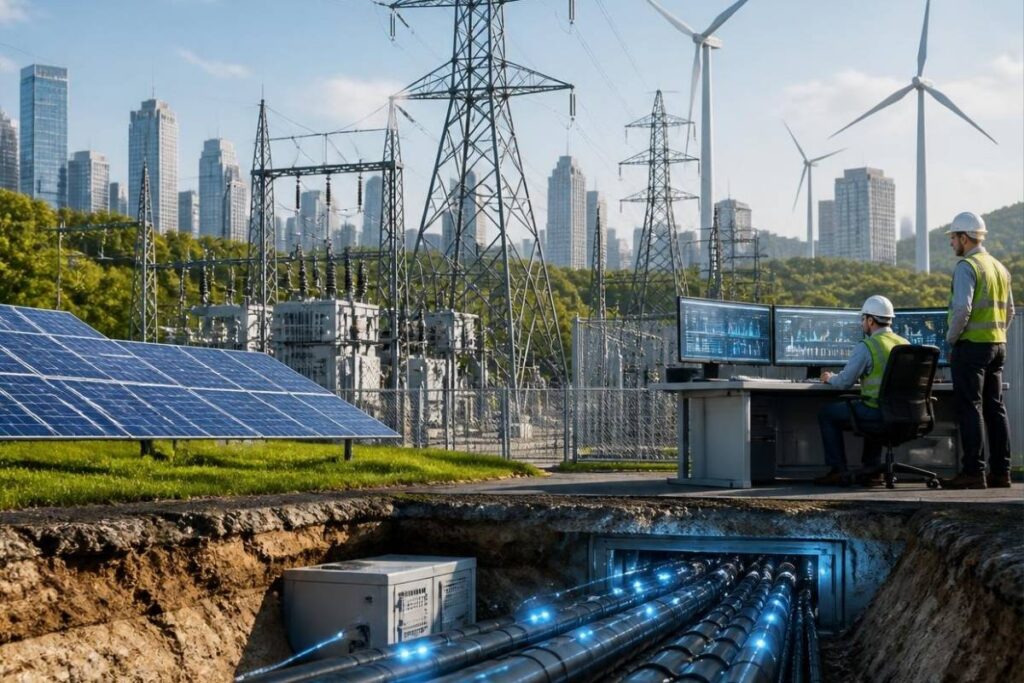
Power infrastructure includes substations, transformers, transmission lines, distribution networks, and backup systems that provide reliable electricity for residential, commercial, and industrial users.
Stormwater Drainage
Drainage systems reduce flooding by collecting and safely directing rainwater away from roads, buildings, and public spaces.
Gas Distribution
Natural gas pipelines support residential heating, commercial operations, manufacturing facilities, and energy production across urban areas.
Telecommunication Networks
Modern cities depend on fibre optic networks, communication towers, and digital connectivity to support businesses, education, healthcare, and government services.
Why Utility Infrastructure Is Essential
Reliable utility infrastructure directly affects economic development, public safety, environmental protection, and overall quality of life. Every residential community, industrial estate, shopping centre, hospital, and educational institution depends on these systems to function efficiently.
Well-designed utility networks reduce service interruptions, improve operational efficiency, and create resilient cities capable of supporting future development.
Benefits of Modern Utility Infrastructure
Improved Public Health
Clean water supply and effective wastewater treatment reduce the spread of waterborne diseases while improving overall community health.
Economic Growth
Reliable utility services encourage business investment, industrial expansion, and commercial development by providing dependable infrastructure for daily operations.
Environmental Protection
Modern sewerage treatment, stormwater management, and efficient utility systems help reduce pollution while protecting natural resources.
Urban Resilience
Strong infrastructure systems improve a city’s ability to respond to natural disasters, population growth, and changing environmental conditions.
Planning Utility Infrastructure for Future Cities
Infrastructure planning should anticipate future population growth, climate challenges, technological advances, and increased service demand. Long-term planning helps ensure utility systems remain reliable for future generations.
Learning More About Infrastructure Development
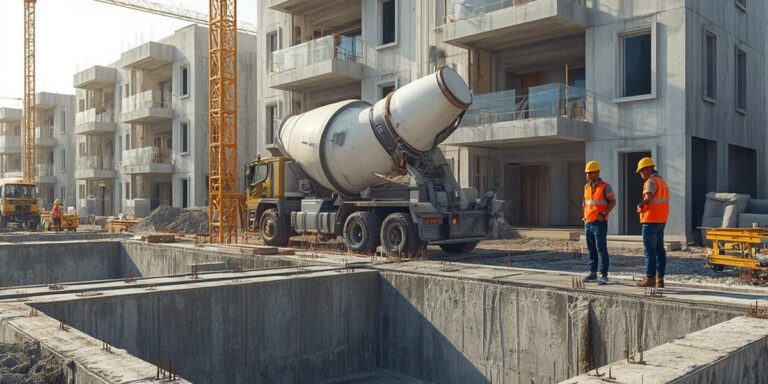
Successful utility infrastructure projects require careful planning, quality engineering, and professional construction management. Explore completed developments by visiting the Wajid Construction Projects page. You can also learn more about collaborative infrastructure delivery in our guide on Public-Private Partnerships in Pakistan. For international guidance on sustainable urban infrastructure, visit UN-Habitat.
Challenges Facing Utility Infrastructure in Pakistan
Despite significant progress in urban development, many cities continue to face challenges related to utility infrastructure. Rapid population growth, ageing infrastructure, increasing demand for public services, climate change, and limited maintenance budgets place considerable pressure on existing utility networks.
Addressing these challenges requires long-term planning, investment in modern technologies, and collaboration between engineers, utility providers, government authorities, and construction professionals.
Growing Urban Populations
Expanding cities require larger water supply systems, improved sewerage networks, additional power distribution capacity, and upgraded drainage infrastructure. Planning ahead helps prevent service interruptions as demand continues to increase.
Ageing Infrastructure
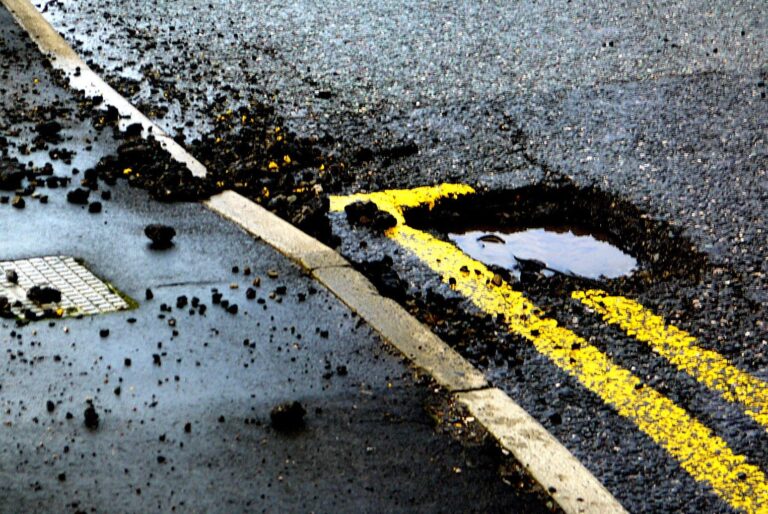
Many utility systems require rehabilitation or replacement after years of continuous operation. Regular inspections and timely upgrades improve reliability while reducing maintenance costs.
Climate Change and Extreme Weather
Flooding, heavy rainfall, droughts, and rising temperatures place additional pressure on utility infrastructure. Designing resilient systems helps communities better withstand changing environmental conditions.
Smart Utility Infrastructure
Modern utility infrastructure increasingly incorporates digital technologies that improve efficiency, reliability, and service quality. Smart monitoring systems allow operators to identify problems early and optimise daily operations.
Smart Water Networks
Digital sensors monitor water pressure, detect leaks, measure consumption, and improve distribution efficiency, helping reduce water losses and operating costs.
Smart Electricity Systems
Advanced electrical infrastructure enables better demand management, faster fault detection, and more reliable power distribution for homes, businesses, and industries.
Digital Monitoring
Real-time monitoring technologies provide operators with accurate information about system performance, allowing preventive maintenance before failures occur.
Sustainable Water and Wastewater Management
Water conservation is becoming increasingly important for sustainable urban development. Efficient water treatment facilities, wastewater recycling, rainwater harvesting, and responsible consumption help protect valuable natural resources.
Modern sewerage treatment plants also reduce environmental pollution by ensuring wastewater is treated before being safely discharged or reused.
Renewable Energy Integration
Renewable energy sources such as solar and wind power are becoming an important part of modern utility infrastructure. Integrating renewable energy into electrical networks improves energy security while reducing dependence on traditional energy sources.
Smart grid technologies help balance electricity demand and improve overall network efficiency.
Maintenance and Asset Management
Infrastructure systems require continuous maintenance throughout their operational life. Preventive maintenance programmes reduce service interruptions, improve reliability, and extend the lifespan of utility assets.
Asset management systems allow utility operators to prioritise repairs, schedule inspections, and allocate maintenance resources more effectively.
Infrastructure Tip: Investing in preventive maintenance is far more cost-effective than waiting for critical utility systems to fail. Regular inspections and modern monitoring technologies improve reliability while reducing long-term repair costs.
The Future of Utility Infrastructure in Pakistan
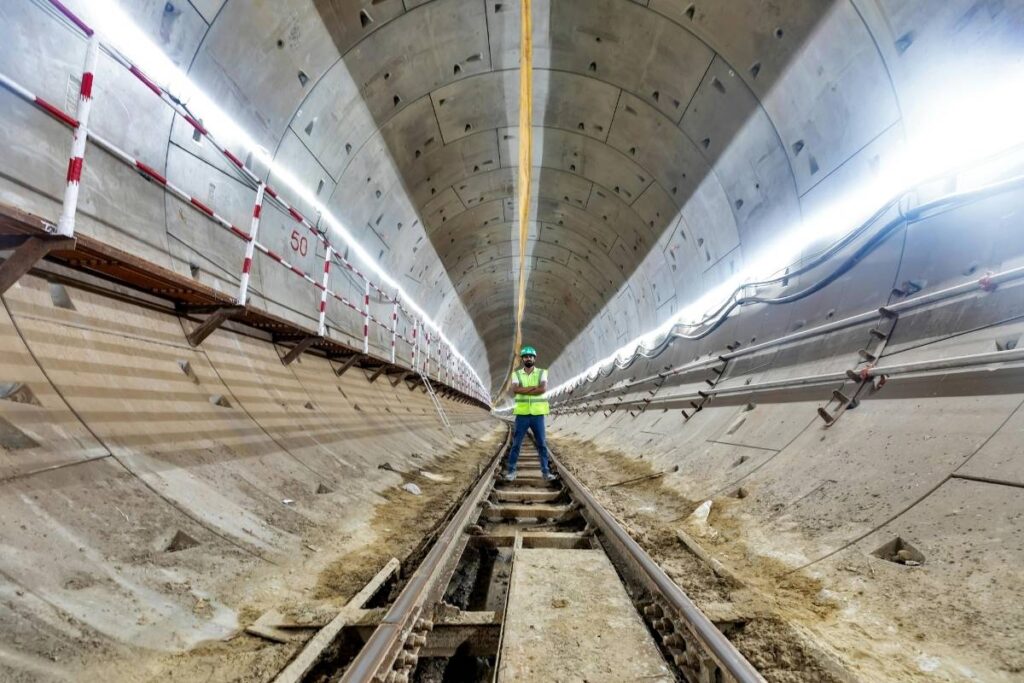
As Pakistan continues expanding its cities and infrastructure network, future utility systems will increasingly rely on digital technologies, renewable energy, sustainable water management, and resilient engineering solutions. These improvements will help create smarter, healthier, and more efficient communities.
Infrastructure planning that considers future population growth, environmental sustainability, and technological innovation will play a key role in supporting long-term economic development.
Final Thoughts
Utility infrastructure forms the foundation of every successful city. Reliable water supply, sewerage systems, electricity distribution, drainage networks, gas pipelines, and telecommunications all contribute to healthier communities, stronger economies, and sustainable urban growth.
By investing in modern engineering, smart technologies, preventive maintenance, and sustainable infrastructure planning, Pakistan can continue building resilient cities capable of meeting future challenges while improving the quality of life for millions of people.
Planning a Construction or Infrastructure Project? Our experienced team provides professional construction services backed by quality engineering, careful planning, and reliable project management. Contact Wajid Construction to discuss your upcoming project.
To learn more about sustainable urban development and utility planning around the world, visit the United Nations Sustainable Development Goals (SDGs), which provide valuable guidance on building resilient cities and infrastructure.
This article is intended for developers, engineers, utility providers, contractors, urban planners, investors, and government authorities seeking to understand how utility infrastructure supports sustainable urban development in Pakistan.