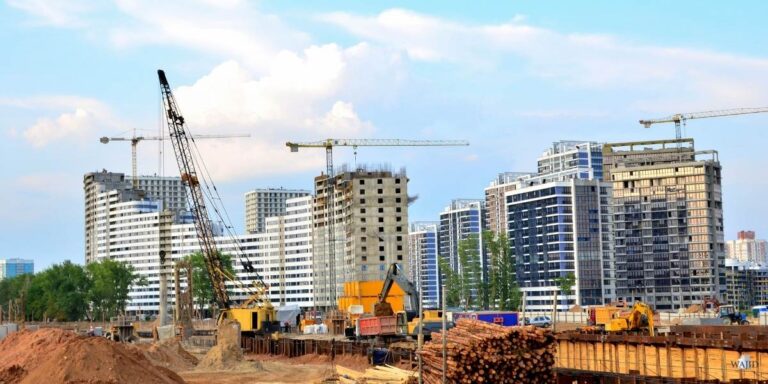
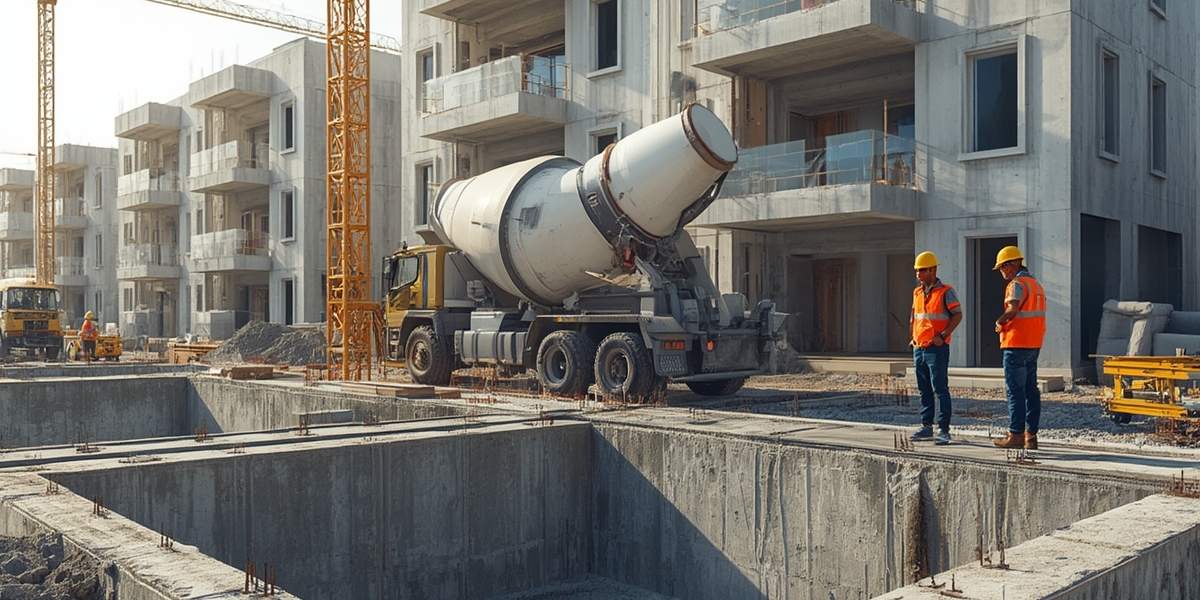
Choosing the Right Concrete Grade: A Builder’s Guide to Foundations and Slabs in Pakistan
Choosing the right concrete grade is one of the most important decisions in any construction project. Whether you are building a house, commercial plaza, warehouse, boundary wall, foundation, or floor slab in Pakistan, the strength and durability of the structure depend heavily on the quality of concrete used.
Many property owners focus on cement, steel, bricks, and labour costs, but concrete quality is equally important. The wrong concrete grade can lead to cracks, weak foundations, water seepage, uneven slabs, and long-term structural problems. A properly selected concrete grade helps improve strength, safety, and service life.
In Pakistan, construction projects often face challenges such as changing material prices, weather conditions, soil variations, labour quality, and inconsistent mixing methods. That is why builders, contractors, and property owners should understand how different concrete grades are used for foundations and slabs.
Quick Tip: A higher concrete grade is not always necessary for every part of a building. The correct choice depends on structural requirements, soil condition, load, exposure, and engineering design.
What Is Concrete Grade?
A concrete grade shows the strength of concrete after it has properly cured, usually measured after 28 days. It is commonly written as M10, M15, M20, M25, M30, and so on. The letter “M” stands for mix, while the number represents the compressive strength of concrete in megapascals.
For example, M20 concrete means the concrete is expected to achieve a compressive strength of 20 MPa after 28 days. This strength rating helps engineers and builders decide whether the concrete is suitable for foundations, slabs, columns, beams, driveways, or other structural elements.
Understanding concrete grade is important because every part of a building carries different loads. A foundation must safely transfer building weight to the soil, while slabs must support people, furniture, vehicles, equipment, and daily use.
Why Concrete Grade Matters in Pakistan
Construction conditions in Pakistan can vary greatly from one location to another. Soil strength, groundwater levels, weather exposure, and material quality can all affect concrete performance. Using the correct concrete grade helps reduce the risk of settlement, cracking, and early deterioration.
In areas with weak soil, high moisture, or heavy building loads, engineers may recommend stronger concrete grades for foundations and slabs. In smaller non-structural works, lower grades may be acceptable when approved by the project engineer.
Professional guidance is important because concrete strength is not only about cement quantity. Water-cement ratio, aggregate quality, curing, compaction, mixing method, and workmanship all affect the final result.
Common Concrete Grades Used in Construction
M10 Concrete
M10 is generally used for non-structural work such as levelling courses, plain cement concrete, pathways, and temporary construction areas. It is not normally recommended for major foundations or load-bearing slabs.
M15 Concrete
M15 concrete can be used for simple flooring, minor slabs, and non-critical construction works. It may be suitable for light-duty areas, but it should not be used for important structural elements without proper engineering approval.
M20 Concrete
M20 is one of the commonly used grades for residential construction. It may be suitable for small building slabs, footings, and general reinforced concrete work depending on the design requirements.
M25 Concrete
M25 concrete is often used for stronger foundations, reinforced slabs, beams, and columns in many residential and light commercial projects. This concrete grade offers better strength and durability than lower grades.
M30 and Higher Grades
M30 and higher concrete grades are commonly used for heavier structures, commercial buildings, industrial floors, multi-storey projects, and areas where higher load capacity is required. These grades should be designed and supervised by qualified professionals.

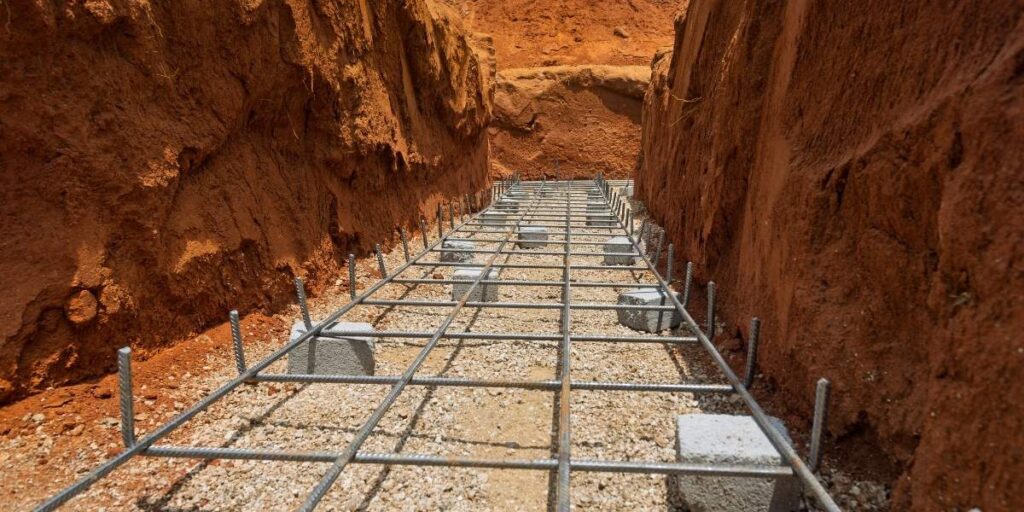
Best Concrete Grade for Foundations
The best concrete grade for foundations depends on the building type, soil condition, load, groundwater level, and structural design. For many residential projects, M20 or M25 may be used depending on engineering recommendations. For commercial buildings or heavier structures, M25, M30, or higher grades may be required.
Foundations are responsible for transferring the load of the entire building to the ground. If the concrete is weak, poorly mixed, or badly cured, the structure may develop cracks or settlement problems over time. This is why foundation concrete should never be selected only by price.
Builder Advice: Always follow the structural engineer’s recommendation for foundation concrete. Saving money by reducing concrete strength can create expensive repair problems later.
Best Concrete Grade for Slabs
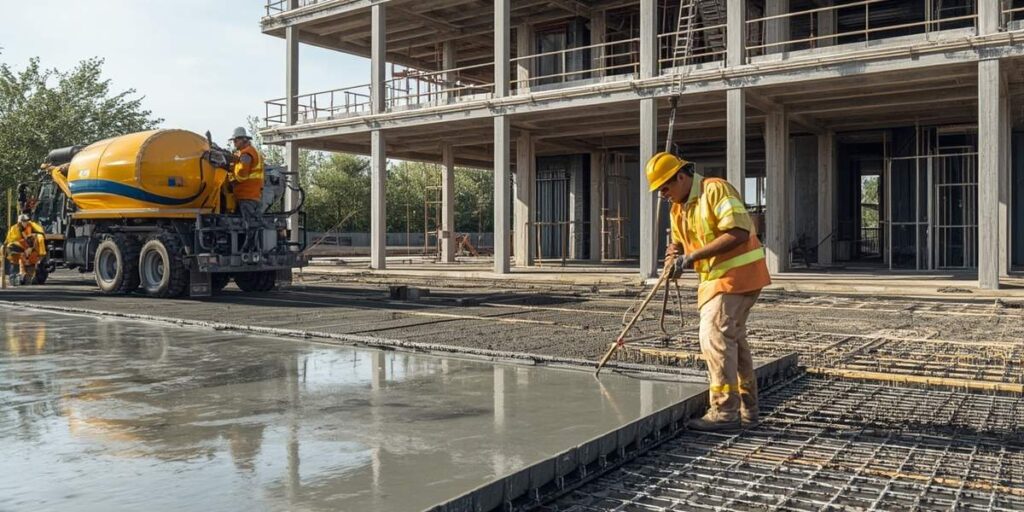
Slabs are another important part of construction where concrete grade must be selected carefully. Roof slabs, floor slabs, driveway slabs, parking slabs, and industrial slabs all have different strength requirements.
For residential floor and roof slabs, M20 or M25 concrete may commonly be used depending on the design. For parking areas, warehouses, commercial floors, and heavy-use spaces, stronger grades may be required to handle greater loads and surface wear.
The slab thickness, reinforcement design, curing method, and surface finishing also affect performance. Even a good concrete grade can fail if placement and curing are not handled properly.
Internal and External Resources for Better Construction Planning
Choosing the correct concrete grade becomes easier when you work with experienced construction professionals who understand local site conditions, material quality, and project requirements. To learn more about the company’s construction approach and professional values, visit the Wajid Construction About Us page. For additional construction and concrete-related guidance, builders can also review practical resources from The American Concrete Institute, a recognised source for concrete knowledge and industry education.
Factors That Affect Concrete Grade Selection
Selecting the right concrete grade is not simply a matter of choosing the strongest option available. Engineers evaluate several factors before recommending a grade for foundations, slabs, columns, or other structural elements.
Soil Conditions
The strength and stability of the soil play a major role in foundation design. Weak soil conditions may require stronger concrete and larger foundations to safely support building loads.
Building Load
A single-storey house requires different structural strength compared to a multi-storey commercial building. As building loads increase, higher concrete grades may be necessary.
Environmental Exposure
Structures exposed to moisture, chemicals, coastal conditions, or extreme weather may require stronger and more durable concrete mixes to ensure long-term performance.
Construction Quality
Even the best concrete grade can perform poorly if the mixing, placement, compaction, and curing processes are not carried out correctly. Quality workmanship remains essential for structural success.
Common Mistakes When Choosing Concrete Grade
Many property owners try to reduce costs by selecting lower concrete grades without professional guidance. While this may appear to save money initially, it can create expensive structural problems later.
- Choosing concrete based only on price.
- Ignoring soil investigation results.
- Using excessive water during mixing.
- Poor curing after concrete placement.
- Not following structural drawings.
- Using low-quality aggregates or cement.
These mistakes can reduce concrete strength, increase cracking, and shorten the life of the structure.
Ready-Mix Concrete vs Site-Mixed Concrete
Another important consideration when selecting a concrete grade is whether the concrete will be mixed on-site or supplied as ready-mix concrete.
Ready-Mix Concrete
Ready-mix concrete is produced in a controlled batching plant where material proportions are carefully measured. This generally provides more consistent quality and strength.
Site-Mixed Concrete
Site-mixed concrete may be suitable for smaller projects, but maintaining consistent quality can be challenging if proper supervision is not available.
For larger residential, commercial, and industrial projects, ready-mix concrete is often preferred because it improves consistency and reduces construction risks.
The Importance of Proper Concrete Curing
Many people focus only on concrete grade while overlooking curing. Proper curing is essential because it allows concrete to achieve its designed strength.
Without sufficient curing, concrete can lose strength, develop surface cracks, and become more vulnerable to moisture penetration. Maintaining adequate moisture during the curing period significantly improves durability and long-term performance.
Benefits of Proper Curing
- Higher compressive strength.
- Reduced shrinkage cracks.
- Improved durability.
- Better resistance to weather exposure.
- Longer structural life.
Cost Considerations When Selecting Concrete Grade
Higher concrete grades generally cost more because they require carefully controlled mix designs and higher strength performance. However, choosing a lower grade purely to reduce costs can be a costly mistake if structural repairs become necessary in the future.
The goal should be to select the appropriate concrete grade recommended by the engineer rather than automatically choosing either the cheapest or strongest option.
Construction Tip: The cost difference between concrete grades is usually small compared to the overall cost of repairing a damaged foundation or slab. Investing in the correct grade often provides better long-term value.
Why Professional Engineering Advice Matters
Every construction project is unique. Factors such as soil conditions, building design, intended use, environmental exposure, and structural loading all influence concrete requirements.
Working with qualified engineers and experienced contractors helps ensure that the selected concrete grade meets project requirements while remaining cost-effective and safe.
Property owners who want reliable construction results should always follow approved structural drawings and engineering recommendations rather than relying solely on assumptions or previous project experiences.
Final Thoughts
Selecting the correct concrete grade is essential for creating strong foundations, durable slabs, and long-lasting structures. The right choice depends on soil conditions, structural loads, environmental factors, and engineering design requirements.
Whether you are building a residential home, commercial facility, warehouse, or industrial project in Pakistan, investing in quality concrete and professional guidance helps reduce future maintenance costs and improves overall structural performance.
By understanding the strengths and applications of different concrete grades, property owners can make informed decisions that contribute to safer, stronger, and more successful construction projects.
Need Expert Construction Guidance? Wajid Construction provides professional support for foundations, slabs, structural planning, concrete selection, and complete construction project management. Learn more about our expertise on our About Us page.
This article is intended for homeowners, builders, investors, developers, and commercial property owners looking to choose the right concrete grade for foundations and slabs in Pakistan.