

How Smart Infrastructure Is Transforming Pakistan’s Construction Industry

The construction industry is rapidly evolving as digital technology reshapes the way infrastructure is planned, built, and managed. Today, smart infrastructure has become one of the driving forces behind modern construction, helping countries improve efficiency, sustainability, safety, and long-term economic growth. Pakistan is also embracing these technological advancements to support urban development, transportation networks, energy systems, and public services.
Unlike traditional infrastructure, smart infrastructure combines engineering with digital technologies such as sensors, artificial intelligence, cloud computing, the Internet of Things (IoT), and real-time monitoring systems. These technologies allow infrastructure assets to collect, analyse, and respond to data, creating more efficient and resilient projects.
As Pakistan continues investing in highways, smart cities, commercial developments, airports, industrial zones, and public utilities, the demand for intelligent infrastructure solutions continues to grow. Developers, contractors, engineers, and government agencies increasingly recognise the value of integrating technology into construction projects.
Quick Insight: Smart infrastructure improves project efficiency by combining modern engineering with digital technologies that enhance monitoring, maintenance, safety, and operational performance.
What Is Smart Infrastructure?
Smart infrastructure refers to physical infrastructure enhanced with digital technologies that enable continuous monitoring, communication, automation, and data-driven decision-making. These systems help optimise performance while reducing operational costs and improving public services.
Rather than relying solely on manual inspections, smart infrastructure uses connected devices to monitor traffic flow, structural health, energy consumption, water distribution, environmental conditions, and equipment performance in real time.
This approach enables faster maintenance, improved resource management, and better long-term infrastructure planning.
Why Smart Infrastructure Matters
Population growth, rapid urbanisation, and increasing demand for public services require more efficient infrastructure solutions. Traditional systems often struggle to meet modern demands because they rely heavily on reactive maintenance rather than predictive management.
By adopting smart infrastructure, governments and private developers can improve operational efficiency while reducing maintenance costs and extending the lifespan of valuable infrastructure assets.
Key Technologies Behind Smart Infrastructure
Internet of Things (IoT)
IoT devices continuously collect data from roads, bridges, buildings, water systems, and electrical networks. This information helps operators detect problems before they become serious failures.
Artificial Intelligence (AI)
Artificial intelligence analyses large volumes of infrastructure data to identify maintenance needs, predict equipment failures, optimise traffic management, and improve project planning.
Building Information Modelling (BIM)
Building Information Modelling creates detailed digital models that improve collaboration between architects, engineers, contractors, and project owners throughout the construction lifecycle.
Cloud Computing
Cloud platforms enable project teams to access drawings, reports, schedules, and project data from any location, improving communication and project management.
Smart Sensors
Sensors installed within infrastructure continuously monitor structural movement, vibration, temperature, moisture, and other critical performance indicators.
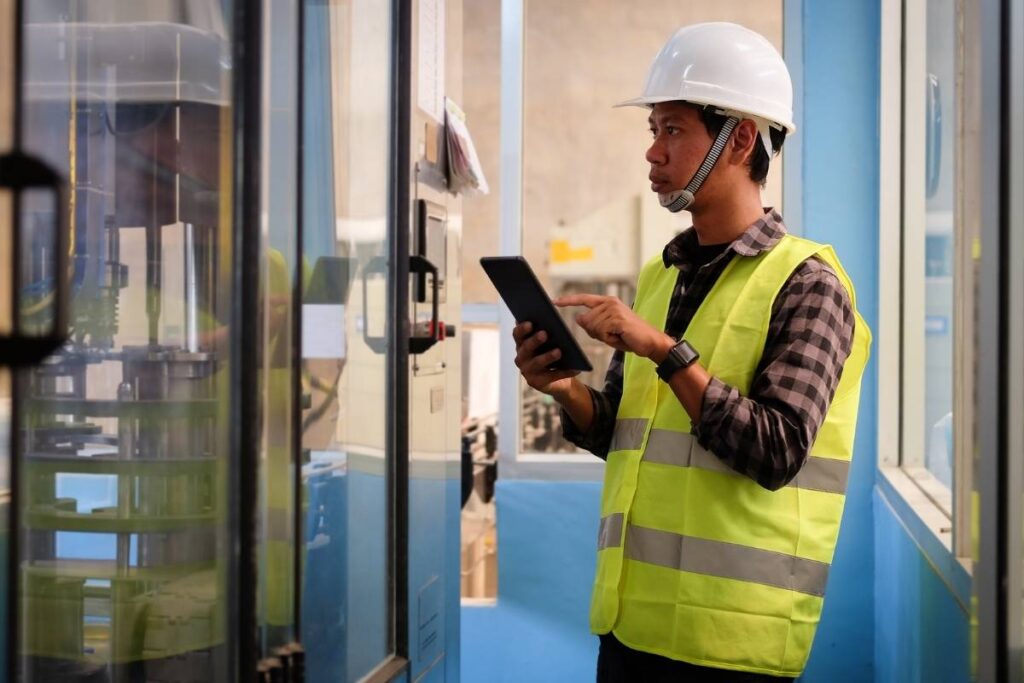
Applications of Smart Infrastructure
Modern smart infrastructure supports many sectors of Pakistan’s economy and public services.
- Smart highways.
- Intelligent transportation systems.
- Smart commercial buildings.
- Digital water management.
- Energy-efficient infrastructure.
- Smart utility networks.
- Industrial automation.
- Urban traffic management systems.
Benefits for Pakistan’s Construction Industry
Improved Project Efficiency
Digital technologies help reduce delays, improve scheduling, and enhance communication between project stakeholders.
Reduced Maintenance Costs
Continuous monitoring allows maintenance teams to repair assets before serious failures occur, reducing long-term repair expenses.
Greater Sustainability
Smart infrastructure helps optimise energy consumption, reduce waste, improve water conservation, and support environmentally responsible construction practices.
Enhanced Public Safety
Real-time monitoring improves emergency response while helping detect structural issues before they become dangerous.
Learning More About Modern Construction
Successful infrastructure projects achieve excellence by seamlessly blending innovative, tech-driven engineering with rigorous on-site construction practices. By studying major modern developments, it becomes clear how advanced digital planning and data-driven methods directly translate into structural durability. Furthermore, integrating proper subsurface soil analytics right from the initial groundbreaking phase ensures that these smart systems are built on strong, reliable foundations capable of supporting long-term performance. Globally, the shift toward intelligent building frameworks is rapidly redefining public works, proving that the future of construction lies in data, precision, and forward-thinking design.
Smart Cities and Urban Development in Pakistan
The growth of smart infrastructure is closely connected to the development of smart cities. As urban populations continue to increase, cities require more efficient transportation systems, reliable utility networks, intelligent traffic management, and sustainable public services. Smart infrastructure provides the technological foundation needed to support these modern urban environments.
By integrating digital technologies into roads, public transport, water supply systems, electricity distribution, and communication networks, cities can improve service delivery while reducing operational costs and environmental impact.
How Smart Infrastructure Supports Sustainable Development
Sustainability has become a major priority for construction companies, developers, and governments. Smart infrastructure contributes to sustainable development by reducing resource consumption, improving operational efficiency, and extending the lifespan of infrastructure assets.
Energy Efficiency
Smart energy management systems monitor electricity consumption and automatically optimise usage, reducing unnecessary energy waste and operating costs.
Water Management
Digital monitoring systems help detect leaks, manage water pressure, improve distribution efficiency, and reduce water losses throughout utility networks.
Environmental Protection
Real-time environmental monitoring allows authorities to track air quality, noise levels, waste management, and environmental conditions more effectively.

Challenges of Implementing Smart Infrastructure
Although the benefits of smart infrastructure are significant, implementation also presents several challenges that require careful planning and investment.
- High initial investment costs.
- Rapid technological changes.
- Cybersecurity risks.
- Data privacy concerns.
- Requirement for skilled technical professionals.
- Integration with existing infrastructure systems.
Despite these challenges, long-term operational savings and improved service quality often justify the investment.
The Future of Smart Infrastructure in Pakistan
Pakistan continues to invest in transportation networks, industrial zones, urban development, renewable energy, and digital transformation. As these projects expand, smart infrastructure will become increasingly important for improving project performance and supporting economic growth.
Future infrastructure projects are expected to incorporate advanced technologies such as artificial intelligence, digital twins, predictive maintenance, autonomous monitoring systems, and integrated data platforms to improve decision-making and operational efficiency.
Why Construction Companies Must Adapt
Construction companies that embrace innovation are better positioned to compete in an increasingly technology-driven industry. Investing in digital engineering, Building Information Modelling (BIM), project management software, and smart construction practices improves productivity while delivering higher-quality projects.
Clients increasingly expect contractors to provide modern, efficient, and sustainable infrastructure solutions that deliver long-term value beyond the initial construction phase.
Technology Insight: The future of construction will rely on connected infrastructure, predictive maintenance, digital engineering, and intelligent project management systems that improve efficiency throughout the entire asset lifecycle.
Building Smarter Infrastructure Through Professional Expertise
Successful implementation of smart infrastructure requires collaboration between engineers, architects, technology specialists, contractors, and project owners. Every stage of planning, design, construction, and operation must be carefully coordinated to ensure digital technologies function effectively alongside traditional engineering systems.
Experienced construction companies understand how to integrate modern technologies without compromising structural safety, quality standards, or long-term reliability.
Final Thoughts
Smart infrastructure is transforming Pakistan’s construction industry by introducing intelligent technologies that improve efficiency, sustainability, safety, and operational performance. From transportation systems and commercial developments to public utilities and smart cities, digital innovation is reshaping the future of infrastructure development.
As technology continues to evolve, construction companies that adopt modern engineering practices will be better equipped to deliver reliable, sustainable, and future-ready infrastructure projects. Investing in smart infrastructure today creates stronger foundations for economic growth and urban development tomorrow.
Discover Our Construction Expertise: Explore completed developments and infrastructure projects by visiting the Wajid Construction Projects page. Our team is committed to delivering high-quality construction solutions that combine engineering excellence with modern building practices.
For additional insights into smart cities, digital infrastructure, and construction innovation, visit Smart Cities World, a leading source of global smart infrastructure news and industry developments.
This article is intended for developers, engineers, contractors, investors, urban planners, government agencies, and construction professionals seeking to understand how smart infrastructure is transforming Pakistan’s construction industry.