
Managing Material Price Fluctuation: How to Protect Your Construction Project Budget
One of the biggest challenges facing the construction industry today is material price fluctuation. The cost of cement, steel, bricks, sand, aggregates, electrical supplies, plumbing materials, and finishing products can change significantly during the lifespan of a construction project. These changes can place enormous pressure on budgets, timelines, and profitability.
Whether you are building a residential home, commercial plaza, industrial facility, or infrastructure project, understanding how to manage material price fluctuation is critical for protecting your investment. Unexpected increases in material costs can affect cash flow, delay project completion, and reduce overall project value.
Construction professionals who proactively plan for market volatility are better positioned to maintain project stability and avoid costly surprises throughout the construction process.
Quick Insight: Material costs often represent a major percentage of total construction expenses. Even small price increases can have a significant impact on project profitability and budget performance.

What Causes Material Price Fluctuation?
Understanding the causes of material price fluctuation helps project owners and contractors prepare more effectively. Construction material prices are influenced by numerous local and global factors that can change rapidly.
Supply Chain Disruptions
Transportation delays, port congestion, manufacturing interruptions, and supplier shortages can reduce material availability and increase prices.
Inflation and Economic Conditions
Inflation affects raw materials, fuel costs, transportation expenses, and labour rates. Rising inflation often leads to higher construction material prices.
Currency Exchange Rates
Many construction materials and equipment components are imported. Changes in exchange rates can directly affect procurement costs.
Demand and Market Activity
Periods of strong construction activity can increase demand for materials such as cement, steel, and aggregates, driving prices upward.
Government Policies and Regulations
Changes in taxes, import duties, environmental regulations, and industry policies can affect production and procurement costs.
Why Material Price Fluctuation Matters
Many construction budgets are prepared months before work begins. When prices change unexpectedly, contractors may struggle to maintain profitability while owners face higher project costs.
Without proper planning, material price fluctuation can result in budget overruns, contract disputes, delayed procurement, reduced quality, and project interruptions.
Successful project management requires anticipating these risks and implementing strategies to reduce their impact.
Materials Most Affected by Price Changes
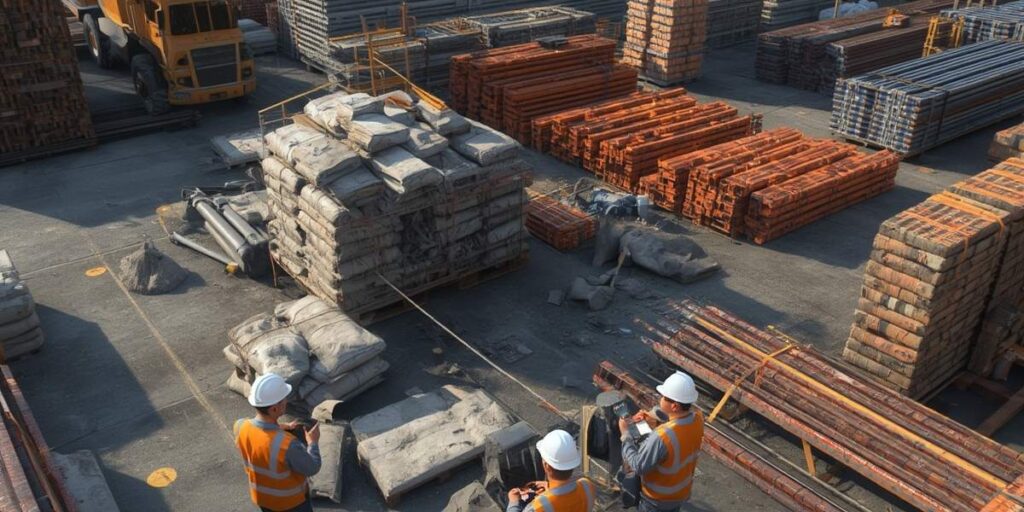
Although price volatility can affect nearly all construction products, some materials experience larger fluctuations than others.
- Steel reinforcement bars.
- Structural steel sections.
- Cement and concrete materials.
- Electrical wiring and components.
- Copper and metal products.
- Fuel and transportation-related materials.
- Imported finishing materials.
- Mechanical and HVAC equipment.
Developing an Accurate Project Budget
One of the best ways to address material price fluctuation is by creating a realistic and flexible project budget. Estimating costs using outdated market prices can expose projects to significant financial risk.
Professional estimators regularly update pricing information, review supplier quotations, and monitor market conditions to improve budget accuracy.
Include Contingency Allowances
A contingency allowance provides financial protection against unexpected price increases and other project risks. Many construction professionals include contingency reserves as part of responsible project planning.
Early Procurement Strategies
Purchasing critical materials early can help reduce exposure to future price increases. Contractors often identify high-risk materials and secure them before significant market changes occur.
This strategy may be particularly beneficial for steel, cement, electrical equipment, and imported products that are vulnerable to supply chain disruptions.
Building Strong Supplier Relationships
Reliable suppliers can provide valuable market information, advance notice of price changes, and improved procurement opportunities. Long-term supplier relationships often contribute to better pricing stability and stronger project support.
Contractors who maintain strong supplier networks are often better positioned to respond quickly to changing market conditions.
Useful Construction Planning Resources
Effective project planning and cost control require both practical experience and industry knowledge. To explore examples of completed construction work and project execution standards, visit the Wajid Construction Projects page. For broader construction market insights and industry updates, professionals can also review information available through Construction Week, a recognised source of construction industry news and analysis.

Contract Protection Strategies
Managing material price fluctuation begins long before materials arrive on-site. One of the most effective ways to protect a construction budget is through carefully structured contracts. Well-written agreements help allocate risks fairly between owners, contractors, suppliers, and subcontractors.
Contract terms should clearly define pricing methods, payment schedules, procurement responsibilities, and procedures for handling unexpected cost increases. This helps reduce disputes and provides greater financial certainty throughout the project.
Fixed-Price Contracts vs Escalation Clauses
Fixed-Price Contracts
A fixed-price contract establishes a predetermined project cost. While this provides certainty for project owners, contractors may face significant risks if material prices increase unexpectedly during construction.
To manage this risk, contractors often include contingency allowances within their pricing structure when bidding on long-duration projects.
Price Escalation Clauses
Escalation clauses allow contract values to be adjusted when material costs exceed predefined thresholds. These clauses can help distribute risk more fairly and reduce financial pressure on contractors during periods of market volatility.
For projects extending over several months or years, escalation provisions may provide valuable protection against severe market fluctuations.
Using Value Engineering to Control Costs
Value engineering is a systematic approach used to improve project value while controlling costs. Rather than reducing quality, value engineering focuses on finding alternative solutions that achieve similar performance at lower cost.
When facing significant material price fluctuation, project teams may evaluate alternative materials, revised construction methods, or design modifications that maintain quality while reducing overall expenses.
Examples of Value Engineering
- Alternative structural systems.
- Locally available materials.
- Optimised material quantities.
- Improved construction sequencing.
- Energy-efficient design solutions.
Technology and Cost Monitoring Tools
Modern project management software allows contractors to monitor budgets, procurement activities, supplier pricing, and cost trends in real time. Digital tools provide better visibility into project finances and help identify problems before they become serious.
Regular budget reviews and cost reporting allow project teams to respond quickly to changing market conditions and maintain financial control.
Diversifying Suppliers and Procurement Sources
Relying on a single supplier can expose projects to significant procurement risks. Contractors often reduce risk by developing relationships with multiple suppliers and maintaining alternative sourcing options.
Supplier diversification can improve pricing competitiveness, increase material availability, and reduce the impact of local supply disruptions.
Managing Cash Flow During Price Volatility
Cash flow management becomes increasingly important when material prices are changing rapidly. Contractors should carefully monitor procurement schedules, supplier payment terms, and project financing arrangements.
Maintaining adequate working capital allows construction companies to purchase critical materials when opportunities arise and reduces exposure to future price increases.
Budget Protection Tip: Successful projects combine accurate estimating, contingency planning, supplier relationships, and active cost monitoring to reduce the impact of material price fluctuation.
The Importance of Market Monitoring
Construction professionals should continuously monitor market conditions throughout the project lifecycle. Staying informed about industry developments allows project teams to anticipate changes and make informed procurement decisions.
Monitoring commodity prices, fuel costs, transportation trends, and supply chain developments can provide valuable insight into future pricing movements.
Long-Term Planning for Sustainable Construction Success
While short-term price fluctuations are unavoidable, long-term planning helps organisations build resilience. Contractors that develop strong procurement systems, maintain supplier relationships, and continuously improve estimating practices are better equipped to handle market uncertainty.
Successful construction companies view cost management as an ongoing process rather than a one-time budgeting exercise.
Final Thoughts
Managing material price fluctuation is a critical component of successful construction project management. Rising material costs can affect profitability, schedules, and overall project outcomes if not properly addressed.
By implementing accurate budgeting practices, securing reliable suppliers, using contingency planning, monitoring market conditions, and adopting effective procurement strategies, project owners and contractors can significantly reduce financial risk.
Construction projects that proactively address material price fluctuation are better positioned to remain on budget, maintain quality standards, and achieve successful project completion.
Need Expert Project Planning Support? Explore completed projects and construction expertise by visiting the Wajid Construction Projects page and discover how professional planning contributes to successful project delivery.
For additional industry insights and construction market analysis, professionals can review updates from Construction Week, which regularly covers trends affecting the global construction sector.
This article is intended for property owners, developers, contractors, project managers, and construction professionals seeking practical strategies for managing material price fluctuation and protecting project budgets.