Concrete vs Asphalt Roads: 7 Major Differences You Should Know
Concrete vs asphalt roads is one of the most important discussions in modern infrastructure development projects. Both road construction materials are widely used in Pakistan for highways, motorways, commercial roads, and urban transportation systems.
Choosing between concrete and asphalt roads depends on several factors including project cost, climate conditions, durability, maintenance requirements, traffic volume, and long-term infrastructure performance.
In this guide, we will compare concrete vs asphalt roads and explore which option is better for infrastructure projects in Pakistan.
1. Durability and Lifespan
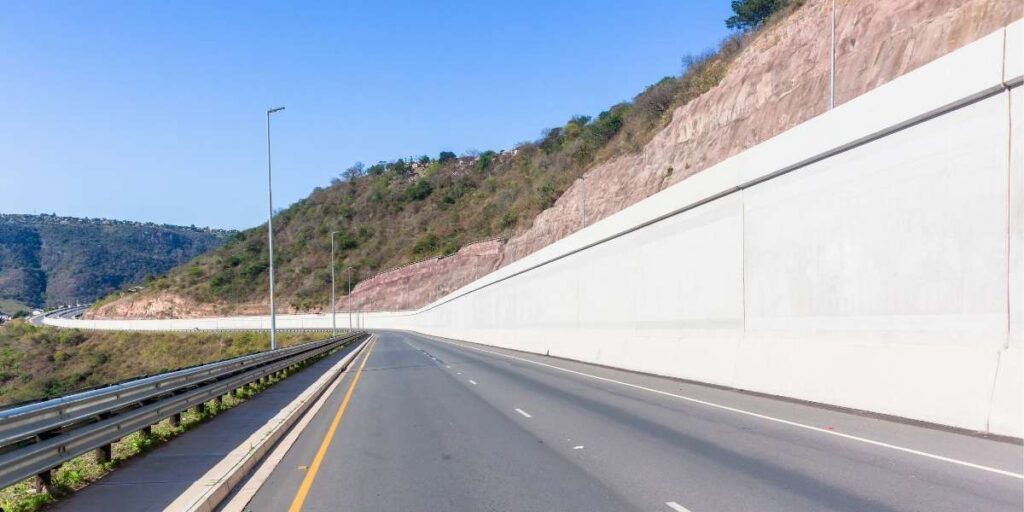
One of the biggest differences between concrete vs asphalt roads is durability. Concrete roads generally last longer than asphalt roads because they are stronger and more resistant to heavy traffic loads.
Concrete roads can often last 30 to 40 years with proper maintenance, while asphalt roads typically require resurfacing after 15 to 20 years.
Many modern infrastructure companies now focus on modern construction trends in Pakistan to improve road durability and long-term infrastructure quality.
2. Construction Cost Comparison
Cost is another major factor when comparing concrete vs asphalt roads. Asphalt roads are generally cheaper to build initially, making them a popular choice for many short-term infrastructure projects.
However, concrete roads often provide better long-term value due to lower maintenance requirements and longer lifespan.
Understanding the overall construction cost in Pakistan can help developers make better infrastructure investment decisions.
3. Maintenance Requirements
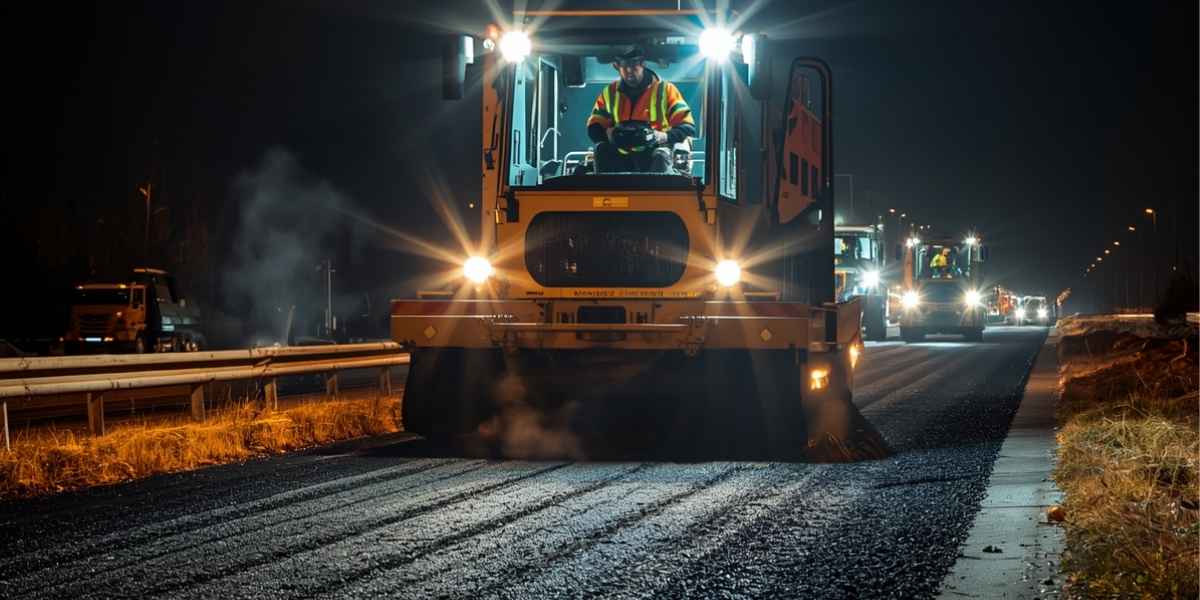
Asphalt roads require more frequent maintenance because they can soften under extreme heat and develop cracks over time. Regular resurfacing and repairs are often necessary to maintain road quality.
Concrete roads usually require less maintenance, although repairs can sometimes be more expensive when damage occurs.
Proper road maintenance is essential for reducing transportation problems and improving infrastructure performance.
4. Weather Resistance
Pakistan experiences extreme weather conditions including heavy rainfall, flooding, and high temperatures. Weather resistance is therefore an important factor in choosing road construction materials.
Concrete roads perform better in extremely hot climates because they resist heat damage more effectively than asphalt roads. Asphalt surfaces may soften during high temperatures and become damaged under heavy traffic.
Many infrastructure experts now focus on climate-resistant road engineering to improve transportation systems across Pakistan.

5. Road Safety and Driving Comfort
Road safety is another important consideration when comparing concrete vs asphalt roads. Asphalt roads generally provide smoother driving experiences and better tire grip during rainy conditions.
Concrete roads may sometimes create more noise from vehicle tires, but they offer excellent visibility and structural strength for heavy transportation routes.
Modern infrastructure development projects continue improving road safety standards through advanced engineering practices and high-quality materials.
6. Environmental Impact
Environmental sustainability is becoming increasingly important in road construction projects. Concrete roads generally reflect more sunlight and reduce heat absorption compared to asphalt surfaces.
However, asphalt roads can often be recycled more easily, making them environmentally beneficial in certain situations.
Many companies are now adopting environmentally friendly construction methods to reduce environmental impact during infrastructure development.
7. Best Option for Infrastructure Projects in Pakistan
The decision between concrete vs asphalt roads depends on project goals, traffic volume, budget, environmental conditions, and long-term maintenance planning.
Concrete roads are often preferred for heavy traffic highways and long-term infrastructure projects, while asphalt roads are commonly used for urban roads, temporary routes, and lower-cost developments.
Professional project planning and proper engineering analysis are essential when selecting road construction materials for infrastructure development projects.
International Standards for Road Construction
Professional road construction projects should follow international engineering standards to ensure safety, durability, and long-term infrastructure performance.
The World Bank continues supporting infrastructure improvement and transportation development projects across developing countries.
The Asian Development Bank (ADB) also supports sustainable infrastructure and transportation systems throughout Asia.
Why Road Material Selection Matters
Selecting the right road construction material directly affects infrastructure quality, maintenance costs, transportation efficiency, and long-term project success. Poor material selection can lead to cracks, drainage issues, and expensive repair work.
At Wajid Construction, infrastructure planning and material selection are handled carefully to ensure durable, cost-effective, and high-quality road construction projects. Through modern engineering practices and professional project management, Wajid Construction continues supporting reliable infrastructure development across Pakistan.
Future of Road Infrastructure Development in Pakistan
Pakistan’s infrastructure sector continues growing rapidly through new highways, motorways, urban transportation systems, and commercial development projects. As traffic volume and transportation demands increase, selecting the right road construction material has become more important than ever for long-term infrastructure performance and public safety.
Modern engineering companies are now focusing on stronger, more sustainable, and cost-effective road construction solutions to improve transportation efficiency across the country. Both concrete and asphalt roads continue playing important roles in infrastructure development depending on project requirements, environmental conditions, and maintenance planning.
Advanced road engineering technology, better drainage systems, climate-resistant materials, and modern project management practices are helping improve road quality throughout Pakistan. Infrastructure experts also continue researching innovative road construction methods to reduce maintenance costs and improve long-term durability.
At Wajid Construction, professional planning, quality materials, and modern engineering standards are prioritized during infrastructure development projects. Through careful road material selection and experienced project management, Wajid Construction continues supporting reliable, durable, and high-quality road construction solutions across Pakistan.
The discussion around concrete vs asphalt roads is becoming increasingly important as Pakistan continues investing in modern transportation and infrastructure development projects across the country.
Final Thoughts
Concrete vs asphalt roads remains an important topic in modern infrastructure development. Both materials offer unique advantages depending on project requirements, environmental conditions, and budget planning.
As Pakistan continues investing in transportation infrastructure, proper road material selection will remain essential for improving road durability, public safety, and long-term infrastructure performance.
FAQs
Which is better, concrete or asphalt roads?
Concrete roads usually last longer and require less maintenance, while asphalt roads are cheaper and provide smoother driving experiences.
Why are asphalt roads commonly used?
Asphalt roads are cheaper to build, easier to repair, and provide better driving comfort for urban transportation systems.
Are concrete roads more durable?
Yes, concrete roads are generally more durable and better suited for heavy traffic and long-term infrastructure projects.
What factors affect road material selection?
Factors include project cost, climate conditions, traffic volume, maintenance requirements, and long-term infrastructure goals.